Field Updates

Ify Foundation Impact Stories

Real stories from the field — feeding programs, skills training, and the people we've been able to support.

← Back to all stories
AGRICULTURAL DEVELOPMENT PROJECT

Ifymotivational Charity Foundation Inspects 40 Plots for Agricultural Project in Amaelu Abam

Written by • September 6, 2026
Featured
Ifymotivational Charity Foundation Inspects 40 Plots for Agricultural Project in Amaelu Abam

Umuahia, Abia State – 31 August 2026

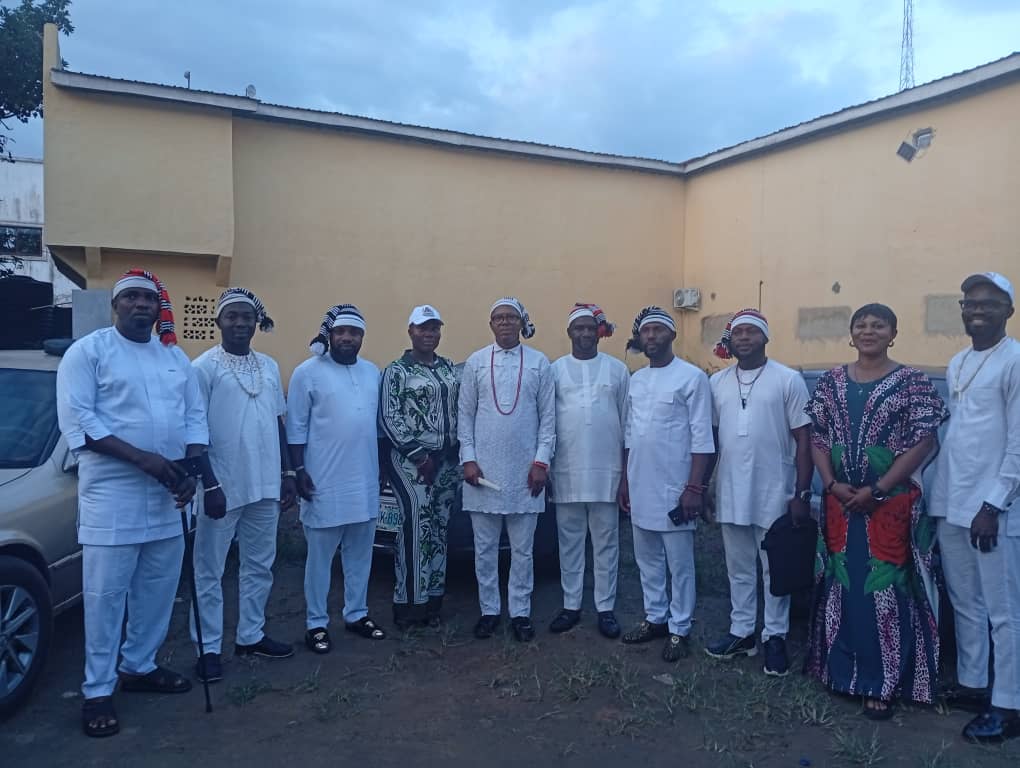
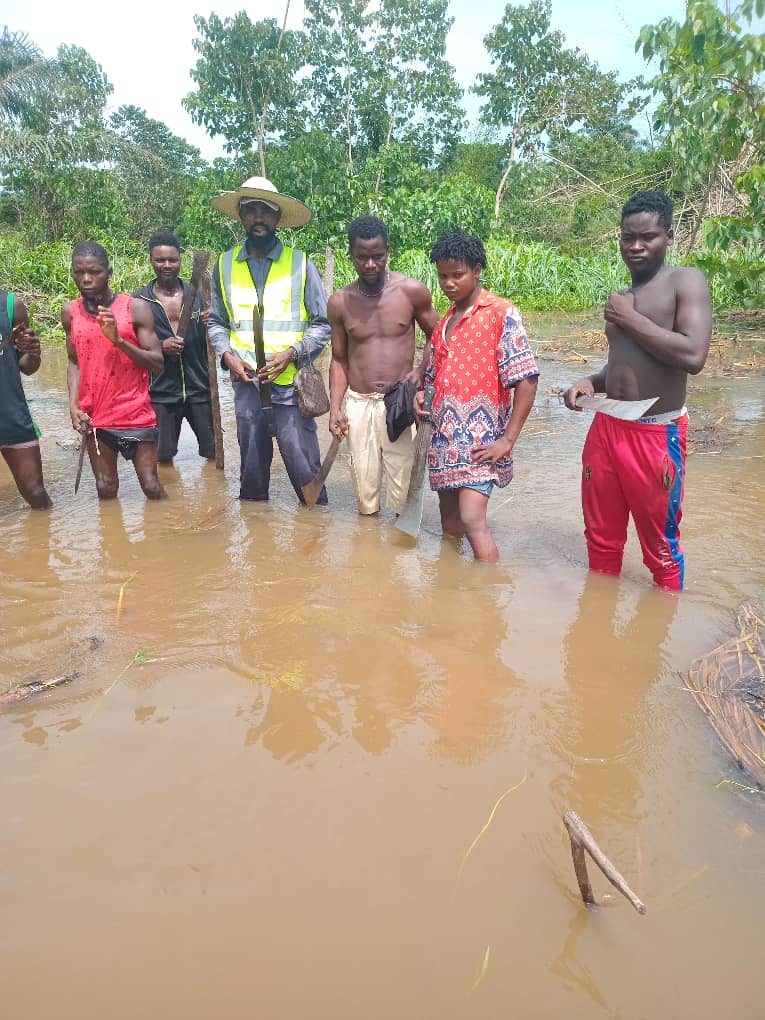
The Chief Executive Officer of Ifymotivational Charity Foundation (ICF), Mr. Fredrick Ukpabi, on Sunday, 31 August 2026, led a team on a formal land inspection of 40 plots of land in Amaelu Abam community, Arochukwu Local Government Area of Abia State.

The inspection forms a critical step in the Foundation’s planned agricultural development project aimed at promoting mixed agriculture, commercial plantain farming, and modern beekeeping in the community.

During the site assessment, the team examined the topography, soil condition, accessibility, vegetation, and availability of water sources across the 40 plots. After a thorough evaluation, the land was certified as highly suitable for the proposed mixed agricultural activities.

Mr. Ukpabi expressed satisfaction with the findings, noting that the fertile nature of the land in Amaelu Abam, combined with favourable climatic conditions, makes it ideal for plantain cultivation and apiculture (bee farming). He stated that the project aligns with ICF’s broader vision of empowering rural communities through sustainable agriculture, job creation, and food security initiatives.

“The inspection confirms that these 40 plots possess the right soil characteristics and environmental conditions to support mixed farming, large-scale plantain production, and productive beekeeping,” Mr. Ukpabi said. “We are committed to developing this site into a model agricultural hub that will benefit the people of Amaelu Abam and surrounding communities.”

The proposed project is expected to introduce improved farming techniques, provide training for local farmers, create employment opportunities, and contribute to the economic development of Abam clan, long recognised for its agricultural potential.

Community stakeholders welcomed the development, describing it as a timely intervention that would further unlock the agricultural capacity of Amaelu Abam, the ancestral home of the Abam people.

Ifymotivational Charity Foundation, headquartered in Umuahia, continues to expand its community impact programmes beyond health outreach, elderly care, and youth empowerment into productive agricultural ventures that promote self-reliance and sustainable livelihoods.

The Foundation is expected to commence detailed project planning and community engagement following the successful land inspection.

Comments

Be the first to comment on this story.

Comments are reviewed before appearing publicly.

Testimony from the CEO of Ifymotivational Charity Foundation Nigeria 2024-2025 leukaemia interventions
By • September 6, 2026

Testimony from the CEO of Ifymotivational Charity Foundation Nigeria

Testimony from the CEO of Ifymotivational Charity Foundation Nigeria My name is Mr. FredrickUkpabi, ICF, CEO of Ifymotivational Charity Foundation Nigeria. I stand today as a living testimony of God’s faithfulness and the power of collective support. If not for prayer and the financial support from our donors and Foundation members, I would not have survived Chronic Leukaemia, cancer of the bone marrow. When the diagnosis came, the reality of the Nigerian oncology system hit me with full force. The journey was long, expensive, and filled with uncertainty. Many patients in Nigeria never survive leukaemia. Late detection of the exact type of cancer remains one of the biggest challenges. By the time many people receive a clear diagnosis, the disease has already advanced. The high cost of treatment, from diagnostic tests to chemotherapy, supportive care, and specialised monitoring, places quality care beyond the reach of most families. I am alive today because people stood with me. Donors and Foundation members responded with both prayer and practical financial support. Their generosity covered critical aspects of my treatment and gave me the chance to fight. I will never forget that intervention. It is the reason I continue to lead Ifymotivational Charity Foundation with even greater commitment to health interventions that reach those who cannot afford care on their own. Through the support of our donors, the Foundation continues to carry out health interventions — from medical outreaches for the elderly to other community-based health programmes. We have seen how timely support can change outcomes. Yet my personal experience has made one truth clearer than ever: the oncology system in Nigeria needs serious investment and steady follow-up. We need better diagnostic capacity so that cancers like leukaemia are detected early and accurately. We need more accessible and affordable treatment pathways. We need continuous support systems for patients and their families so that a diagnosis does not automatically become a death sentence for those without deep financial resources. I share this testimony not only in gratitude, but as a call. To every donor who has supported the Foundation’s health work, thank you. Your giving does not only fund programmes, it saves lives. To those still struggling with cancer or supporting loved ones through it, do not lose hope. Early detection, sustained care, and community support matter. I survived because people prayed and gave. May that same spirit of support continue to flow through Ifymotivational Charity Foundation so that more lives can be preserved, and so that fewer Nigerians will have to face leukaemia without a fighting chance. God bless our donors. God bless every Foundation member. And may we keep working until quality cancer care is no longer a privilege, but a reachable possibility for all.

Read Full Story →
Later picture Evidence
By • September 6, 2026

Later picture

In our elderly care home, we are concerned with the well-being of older persons MOGCF

Read Full Story →
Universal Health Coverage Through a Community-Based Approach for Healthy Ageing Access to free medical support
By • September 6, 2026

Universal Health Coverage Through a Community-Based Approach for Healthy Ageing

Universal Health Coverage (UHC) means that every person can access the quality health services they need without suffering financial hardship. For older adults, this promise is especially critical. As populations age, the demand for accessible, affordable, and age-appropriate care grows. In many communities, however, older people face barriers of distance, cost, limited specialist services, and systems that were not designed with their needs in mind. A community-based approach offers one of the most practical pathways to close these gaps and promote healthy ageing. Why Community-Based Approaches Matter for Healthy Ageing Healthy ageing is not simply the absence of disease. It is the process of developing and maintaining the functional ability that enables well-being in older age. This includes the capacity to meet basic needs, learn and grow, make decisions, build relationships, and contribute to society. Achieving this requires health systems that reach people where they live. Community-based models bring services closer to older adults through primary health care facilities, outreach teams, community health workers, and local partnerships. These approaches: - Improve early detection and management of common age-related conditions. - Reduce the burden of travel and out-of-pocket costs. - Strengthen trust between health providers and the communities they serve. - Support continuity of care rather than one-off hospital visits. In the Nigerian context and similar settings, strengthening primary health care, involving Ward Development Committees, training community health workers, and expanding community-based health insurance are recognized strategies for advancing UHC. When these efforts deliberately include older persons, the result is more equitable coverage and better health outcomes across the life course. Health Interventions That Create Lasting Impact Not every health intervention produces the same depth of change. Interventions that create lasting impact share several features: they address both immediate need and underlying barriers, they build local capacity, they are designed with the people they serve, and they connect to broader systems of support. Effective examples include: - Regular community outreach and screening programmes that identify problems early. - Education on nutrition, physical activity, chronic disease management, and healthy lifestyles tailored for older adults. - Practical support that restores independence and dignity. - Partnerships that link community efforts with higher-level clinical services when needed. When these elements come together, the benefits extend beyond the individual. Families experience reduced caregiving strain. Communities retain the wisdom and contribution of their elders. Health systems move closer to genuine universal coverage because services become more responsive and sustainable. Free Eye Operation Interventions and Elderly Care Vision loss is one of the most common and most correctable threats to healthy ageing. Cataracts and other age-related eye conditions can lead to reduced independence, increased risk of falls and injuries, social isolation, and diminished quality of life. For many older adults living in care homes or low-income households, the cost of surgery places treatment out of reach. Free eye operation interventions address this barrier directly. When cataract surgery and related eye care are provided at no cost, the impact is often transformative. Restored sight enables older people to move safely, manage daily tasks, read, recognise faces, and participate more fully in family and community life. The psychological and social benefits frequently match the physical ones: renewed hope, reduced dependency, and restored dignity. These interventions are most powerful when delivered through a community-based lens. Screening camps and outreach visits identify those in need. Partnerships with hospitals or specialist teams ensure quality surgery. Follow-up care and education help protect the gains. In elderly care homes, such programmes can systematically address a high-prevalence need while demonstrating that older residents remain valued members of society. Organisations committed to ageing support, including those running free medical outreaches for the elderly, illustrate how targeted clinical interventions can sit within a wider vision of healthy ageing. Combining eye care with health counselling, nutrition guidance, and ongoing community presence multiplies the lasting effect. Building Systems That Endure Lasting impact requires more than isolated projects. Sustainable progress depends on: - Integrating geriatric considerations into primary health care and UHC strategies. - Training health workers at community level in age-appropriate care. - Expanding financial protection so that older adults are not excluded by cost. - Encouraging multi-sector partnerships that bring together government, civil society, health professionals, and communities. - Monitoring outcomes not only in numbers of procedures performed, but in restored function, independence, and quality of life. When free eye operations and similar high-impact services are embedded in a community-based approach to healthy ageing, they become more than acts of charity. They become building blocks of universal health coverage, evidence that health systems can reach the most vulnerable and deliver care that restores both sight and possibility. Healthy ageing is a collective responsibility. By prioritising community-rooted strategies, investing in interventions that restore function and dignity, and ensuring that older adults are not left behind in the pursuit of UHC, societies can turn the demographic reality of longer lives into an opportunity for greater equity, contribution, and well-being for all.

Read Full Story →
Protecting and Educating the Girl Child on the Importance of Menstrual Hygiene: The Ifymotivational Charity Foundation’s “Pad a Girl Child” Project Project implemented on girl child care
By • September 6, 2026

Protecting and Educating the Girl Child on the Importance of Menstrual Hygiene: The Ifymotivational Charity Foundation’s “Pad a Girl Child” Project

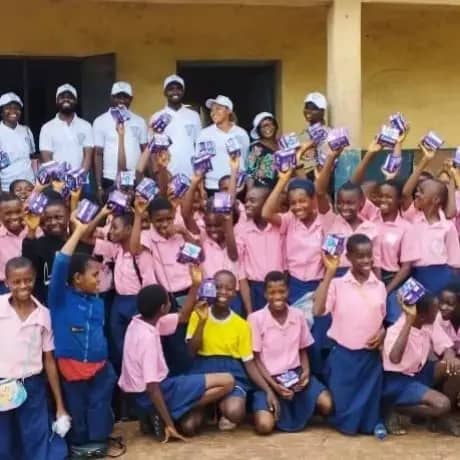
Menstruation is a natural biological process, yet for millions of girls across Nigeria and many parts of Africa, it remains a source of shame, fear, and disrupted opportunity. Lack of access to sanitary products, combined with limited education and persistent cultural taboos, forces many adolescent girls to miss school, improvise with unsafe materials, or suffer in silence. The Ifymotivational Charity Foundation (ICF), based in Umuahia, Abia State, addresses this challenge head-on through its “Pad a Girl Child” project, an initiative that combines the practical distribution of sanitary pads with education on menstrual hygiene management. The Reality of Period Poverty Period poverty refers to the inability to afford or access adequate menstrual products, clean facilities, and accurate information. In many underserved communities, girls resort to rags, tissue paper, or other makeshift materials. These practices increase the risk of infections, discomfort, and embarrassment. The consequences extend far beyond physical health: recurring absences from school during menstruation can lead to falling behind academically, lower self-esteem, and, in some cases, early dropout. When a girl is forced to choose between dignity and education, both her future and her community’s progress suffer. Silence and stigma compound the problem. In many households and schools, menstruation is rarely discussed openly. Myths and misconceptions persist, leaving girls unprepared for their first period and unsure how to manage subsequent ones safely. Without proper guidance, they may not understand basic hygiene practices, how to use pads correctly, or when to seek help for irregularities. Education as Protection True protection of the girl child begins with knowledge. Menstrual hygiene education equips girls with the facts they need to care for their bodies confidently. Key elements include: - Understanding the menstrual cycle as a normal, healthy process rather than something unclean or shameful. - Learning proper use, changing frequency, and disposal of sanitary pads. - Recognizing the importance of washing hands, maintaining personal cleanliness, and using clean water where available. - Knowing the signs of potential health issues and the value of seeking timely medical advice. - Building body confidence and the ability to speak about their needs without fear. When girls receive accurate information in a supportive environment, they gain agency. They are less likely to miss school, more likely to practice good hygiene, and better prepared to navigate adolescence. Education also extends to parents, teachers, and community members, helping to dismantle taboos and create environments where menstruation is treated with respect rather than secrecy. The “Pad a Girl Child” Approach Ifymotivational Charity Foundation’s project combines two essential interventions: providing sanitary pads and delivering education. By distributing pads directly to schoolgirls and conducting sessions on menstrual hygiene, the foundation addresses both immediate need and long-term empowerment. The organization has shared sanitary products with students and actively invites sponsorship and partnership to expand this work. This dual focus is powerful. Pads alone are temporary relief; education ensures lasting change. When a girl receives both products and knowledge, she gains the tools to manage her period with dignity and the confidence to stay in school. The foundation’s broader commitment to youth empowerment, social welfare, and the well-being of the girl child aligns naturally with this work, treating menstrual health as part of a larger vision of human rights and opportunity. Why This Matters for Communities Investing in menstrual hygiene is an investment in education, health, and gender equity. Girls who remain in school are more likely to complete their education, delay early marriage, and contribute economically and socially to their communities. Reducing period-related absenteeism supports better learning outcomes. Breaking the silence around menstruation fosters healthier family and school cultures. Over time, these changes help shift societal attitudes, making future generations of girls less burdened by stigma. The work of organizations like Ifymotivational Charity Foundation demonstrates that practical, community-rooted action can make a measurable difference. Each pack of pads and each educational session represents a step toward ensuring that no girl is held back by a natural process. A Call to Collective Action Protecting and educating the girl child on menstrual hygiene is not the responsibility of one organization alone. Parents, schools, community leaders, government, and private citizens all have roles to play. Supporting initiatives such as “Pad a Girl Child” through donations, partnerships, volunteering, or simply open conversation amplifies impact. Menstruation should never be a barrier to a girl’s education, health, or dignity. Through consistent provision of sanitary products and honest, age-appropriate education, we can help girls manage their periods with confidence and continue pursuing their dreams without interruption. The Ifymotivational Charity Foundation’s efforts in this area offer a clear model: meet the practical need, equip with knowledge, and stand with the girl child so she can thrive. When we pad a girl child and educate her, we do more than address a monthly challenge, we affirm her right to health, learning, and a future free from unnecessary limitation.

Read Full Story →
Protecting and Educating the Girl Child on the Importance of Menstrual Hygiene: The Ifymotivational Charity Foundation’s “Pad a Girl Child” Project Project implemented on girl child care
By • September 6, 2026

Protecting and Educating the Girl Child on the Importance of Menstrual Hygiene: The Ifymotivational Charity Foundation’s “Pad a Girl Child” Project

Menstruation is a natural biological process, yet for millions of girls across Nigeria and many parts of Africa, it remains a source of shame, fear, and disrupted opportunity. Lack of access to sanitary products, combined with limited education and persistent cultural taboos, forces many adolescent girls to miss school, improvise with unsafe materials, or suffer in silence. The Ifymotivational Charity Foundation (ICF), based in Umuahia, Abia State, addresses this challenge head-on through its “Pad a Girl Child” project, an initiative that combines the practical distribution of sanitary pads with education on menstrual hygiene management. The Reality of Period Poverty Period poverty refers to the inability to afford or access adequate menstrual products, clean facilities, and accurate information. In many underserved communities, girls resort to rags, tissue paper, or other makeshift materials. These practices increase the risk of infections, discomfort, and embarrassment. The consequences extend far beyond physical health: recurring absences from school during menstruation can lead to falling behind academically, lower self-esteem, and, in some cases, early dropout. When a girl is forced to choose between dignity and education, both her future and her community’s progress suffer. Silence and stigma compound the problem. In many households and schools, menstruation is rarely discussed openly. Myths and misconceptions persist, leaving girls unprepared for their first period and unsure how to manage subsequent ones safely. Without proper guidance, they may not understand basic hygiene practices, how to use pads correctly, or when to seek help for irregularities. Education as Protection True protection of the girl child begins with knowledge. Menstrual hygiene education equips girls with the facts they need to care for their bodies confidently. Key elements include: - Understanding the menstrual cycle as a normal, healthy process rather than something unclean or shameful. - Learning proper use, changing frequency, and disposal of sanitary pads. - Recognizing the importance of washing hands, maintaining personal cleanliness, and using clean water where available. - Knowing the signs of potential health issues and the value of seeking timely medical advice. - Building body confidence and the ability to speak about their needs without fear. When girls receive accurate information in a supportive environment, they gain agency. They are less likely to miss school, more likely to practice good hygiene, and better prepared to navigate adolescence. Education also extends to parents, teachers, and community members, helping to dismantle taboos and create environments where menstruation is treated with respect rather than secrecy. The “Pad a Girl Child” Approach Ifymotivational Charity Foundation’s project combines two essential interventions: providing sanitary pads and delivering education. By distributing pads directly to schoolgirls and conducting sessions on menstrual hygiene, the foundation addresses both immediate need and long-term empowerment. The organization has shared sanitary products with students and actively invites sponsorship and partnership to expand this work. This dual focus is powerful. Pads alone are temporary relief; education ensures lasting change. When a girl receives both products and knowledge, she gains the tools to manage her period with dignity and the confidence to stay in school. The foundation’s broader commitment to youth empowerment, social welfare, and the well-being of the girl child aligns naturally with this work, treating menstrual health as part of a larger vision of human rights and opportunity. Why This Matters for Communities Investing in menstrual hygiene is an investment in education, health, and gender equity. Girls who remain in school are more likely to complete their education, delay early marriage, and contribute economically and socially to their communities. Reducing period-related absenteeism supports better learning outcomes. Breaking the silence around menstruation fosters healthier family and school cultures. Over time, these changes help shift societal attitudes, making future generations of girls less burdened by stigma. The work of organizations like Ifymotivational Charity Foundation demonstrates that practical, community-rooted action can make a measurable difference. Each pack of pads and each educational session represents a step toward ensuring that no girl is held back by a natural process. A Call to Collective Action Protecting and educating the girl child on menstrual hygiene is not the responsibility of one organization alone. Parents, schools, community leaders, government, and private citizens all have roles to play. Supporting initiatives such as “Pad a Girl Child” through donations, partnerships, volunteering, or simply open conversation amplifies impact. Menstruation should never be a barrier to a girl’s education, health, or dignity. Through consistent provision of sanitary products and honest, age-appropriate education, we can help girls manage their periods with confidence and continue pursuing their dreams without interruption. The Ifymotivational Charity Foundation’s efforts in this area offer a clear model: meet the practical need, equip with knowledge, and stand with the girl child so she can thrive. When we pad a girl child and educate her, we do more than address a monthly challenge, we affirm her right to health, learning, and a future free from unnecessary limitation.

Read Full Story →
Ifymotivational Charity Foundation Inspects 40 Plots for Agricultural Project in Amaelu Abam AGRICULTURAL DEVELOPMENT PROJECT
By • September 6, 2026

Ifymotivational Charity Foundation Inspects 40 Plots for Agricultural Project in Amaelu Abam

Ifymotivational Charity Foundation Inspects 40 Plots for Agricultural Project in Amaelu Abam Umuahia, Abia State – 31 August 2026 The Chief Executive Officer of Ifymotivational Charity Foundation (ICF), Mr. Fredrick Ukpabi, on Sunday, 31 August 2026, led a team on a formal land inspection of 40 plots of land in Amaelu Abam community, Arochukwu Local Government Area of Abia State. The inspection forms a critical step in the Foundation’s planned agricultural development project aimed at promoting mixed agriculture, commercial plantain farming, and modern beekeeping in the community. During the site assessment, the team examined the topography, soil condition, accessibility, vegetation, and availability of water sources across the 40 plots. After a thorough evaluation, the land was certified as highly suitable for the proposed mixed agricultural activities. Mr. Ukpabi expressed satisfaction with the findings, noting that the fertile nature of the land in Amaelu Abam, combined with favourable climatic conditions, makes it ideal for plantain cultivation and apiculture (bee farming). He stated that the project aligns with ICF’s broader vision of empowering rural communities through sustainable agriculture, job creation, and food security initiatives. “The inspection confirms that these 40 plots possess the right soil characteristics and environmental conditions to support mixed farming, large-scale plantain production, and productive beekeeping,” Mr. Ukpabi said. “We are committed to developing this site into a model agricultural hub that will benefit the people of Amaelu Abam and surrounding communities.” The proposed project is expected to introduce improved farming techniques, provide training for local farmers, create employment opportunities, and contribute to the economic development of Abam clan, long recognised for its agricultural potential. Community stakeholders welcomed the development, describing it as a timely intervention that would further unlock the agricultural capacity of Amaelu Abam, the ancestral home of the Abam people. Ifymotivational Charity Foundation, headquartered in Umuahia, continues to expand its community impact programmes beyond health outreach, elderly care, and youth empowerment into productive agricultural ventures that promote self-reliance and sustainable livelihoods. The Foundation is expected to commence detailed project planning and community engagement following the successful land inspection.

Read Full Story →
Nigeria Police Force, Abia State Command Launches Reformed Youth Initiative on International Youth Day 2026 International Youth Day Celebration in collaboration with NIGERIA POLICE FORCE, ABIA STATE COMMAND
By • August 21, 2026

Nigeria Police Force, Abia State Command Launches Reformed Youth Initiative on International Youth Day 2026

In alignment with the global observance of International Youth Day 2026, the Nigeria Police Force, Abia State Command, acting under the directives of the Inspector-General of Police and the Commissioner of Police, Abia State Command, formally launched a transformative reformed initiative. The initiative was presented under the theme “Different Contexts, Common Aspirations: The Role of Young People in Building a Responsible Society” by DSP Maryjane Okere. This programme represents a deliberate and strategic shift in policing philosophy, one that places young people at the centre of efforts to build a more participatory, forward-looking society. It underscores the Force’s recognition that sustainable peace and security cannot be achieved through enforcement alone, but through deliberate investment in the energy, creativity, and aspirations of the youth. By integrating young people into the operational framework of peacebuilding and crime prevention, the initiative seeks to foster a culture of shared responsibility and proactive citizenship. The core aim is clear and ambitious: the attainment of a responsible society in which young people are not merely beneficiaries of security but active partners in its creation and sustenance. The reform moves the Command from reactive approaches toward preventive, inclusive strategies that value the long-term potential of Nigeria’s youth demographic. Multiple organisations, civil society groups, and student forums were invited to the launch, ensuring a broad-based and collaborative foundation. The campaigns were officially inaugurated on 20th August 2026, marking a significant milestone in the Abia State Command’s commitment to youth-centred security sector reform. The Nigeria Police Force, Abia State Command, extends profound appreciation to the Executive Governor of Abia State for his steadfast support for youth development and institutional reforms that promote peace and progress. Special commendation is also due to the Honourable Commissioner for Sports and Youth Development for continuous partnership in empowering the next generation. The leadership of the Inspector-General of Police is acknowledged for providing the national vision and directives that made this initiative possible. Equally, the Commissioner of Police, Abia State Command, is highly commended for the effective translation of these directives into actionable programmes at the state level. Finally, deep gratitude is expressed to all Civil Society Organisations and student forums that participated, whose engagement and commitment have strengthened the collective resolve to build a responsible and secure society for present and future generations.

Read Full Story →
Nigeria Police Force, Abia State Command Commemorates International Youth Day. Awareness campaigns promoting healthy and responsible society
By • August 21, 2026

Nigeria Police Force, Abia State Command Commemorates International Youth Day.

In a significant demonstration of partnership and progressive policing, the Nigeria Police Force, Abia State Command joined Abia Youth Forums and Connects to mark International Youth Day. The occasion underscored a fundamental shift in approach: moving away from the outdated notion that all youths are suspects toward a participatory model that recognises young people as friends, partners, and co-operators in building a safer society. Central to the discussions was the recognition that a responsible and peaceful society is achievable only when the mental health and overall well-being of every youth are treated as a major priority. The engagement focused on strategic positioning and a call for friendly reform, as proposed by the new Commissioner of Police, Abia State Command. Under the theme “Different Contexts, Common Aspirations,” the gathering highlighted shared goals of security, development, and mutual trust between the police and the youth of Abia State. The Command reaffirms its commitment to continuous dialogue, inclusive policing, and collaborative efforts that place young people at the heart of community safety and progress.

Read Full Story →
Humanitarian Aid & Social Welfare HEALTH INTERVENTION
By • August 14, 2026

Humanitarian Aid & Social Welfare

Direct community support services that address immediate needs of vulnerable populations, restore hope, and improve quality of life through practical assistance and outreach.

Read Full Story →
Ageing Support & Elderly Care outreach
By • August 14, 2026

Ageing Support & Elderly Care

Ageing Support & Elderly Care Focus on the health, dignity, social welfare, and wellbeing of older persons through free medical outreaches, health counselling (including NCD screening such as blood pressure and diabetes), nutrition guidance, outdoor services, and support against elder neglect or isolation.

Read Full Story →
ICF COMMUNITY INTERVENTION ON NCD (HYPERTENSION, AND DIABETES HEALTH INTERVENTION
By • August 14, 2026

ICF COMMUNITY INTERVENTION ON NCD (HYPERTENSION, AND DIABETES

The Ifymotivational Charity Foundation’s community non-communicable disease (NCD) health interventions held in Obizi Amakama represent a practical, people-centred response to the rising burden of chronic conditions in rural Abia State, Nigeria. Organised as part of the Foundation’s broader commitment to ageing support, humanitarian aid, and community welfare, these interventions brought essential screening, counselling, and health education directly to residents of Obizi Amakama, with particular attention to older adults who are disproportionately affected by hypertension, diabetes, and related complications. Non-communicable diseases, principally cardiovascular conditions, diabetes, chronic respiratory diseases, and cancers, now account for a substantial share of morbidity and mortality across Nigeria. In rural communities such as Obizi Amakama, limited access to routine primary care, low awareness of risk factors, and delayed diagnosis often allow conditions such as high blood pressure and elevated blood sugar to progress silently until serious complications arise. The Foundation’s outreach addressed this gap by taking services into the community rather than waiting for residents to travel to distant facilities. The interventions typically combined free health screening with structured health education and counselling. Key activities included blood pressure measurement, blood glucose checks, weight and nutritional assessment, and discussions on early warning signs of kidney disease and other complications. Health talks focused on practical, locally relevant lifestyle measures: reducing excessive salt intake, improving dietary patterns with available local foods, maintaining physical activity appropriate to age and ability, and recognising the importance of regular monitoring. Outdoor service formats, featuring counselling, health management guidance, and opportunities for social interaction, helped create a welcoming environment that encouraged participation, particularly among the elderly. Community engagement was a deliberate strength of the approach. Feedback from local leadership, including the Community Chairman of Obizi Amakama, underscored appreciation for the initiative and recognition of its value. Such endorsement is critical for uptake and sustainability; when traditional and community leaders publicly affirm health programmes, residents are more likely to attend, trust the information provided, and act on recommendations. The Foundation’s presence also reinforced a message of dignity and care for older persons, countering the social isolation and neglect that can accompany ageing in resource-constrained settings. The interventions aligned with recognised best practices for community-level NCD control in low- and middle-income countries. These include decentralising screening and education to primary and community levels, task-shifting certain functions to trained volunteers or outreach teams, integrating health messages with existing community gatherings, and emphasising prevention and early detection rather than solely clinic-based treatment. By combining screening with counselling and practical advice, the programme moved beyond one-off testing toward building individual and collective capacity for self-management. Participants received guidance on when to seek further care and how everyday choices influence blood pressure, blood sugar, and overall cardiovascular risk. Impact at the individual and community levels can be understood in several dimensions. First, previously undetected cases of hypertension or diabetes may have been identified, enabling earlier linkage to care and reducing the risk of stroke, heart failure, kidney damage, or other complications. Second, health education sessions increased knowledge and may have prompted behavioural adjustments, reduced salt use, better meal composition, or greater attention to physical activity. Third, the visible presence of organised support for the elderly strengthened social cohesion and demonstrated that chronic disease management is a shared community responsibility rather than solely an individual burden. Fourth, the outreach generated local ownership and positive testimony, creating a foundation for possible follow-up activities or replication in neighbouring communities. Challenges inherent in such community interventions remain relevant. Sustained behaviour change requires ongoing reinforcement; one-off screening events, while valuable, must ideally be linked to continuous primary care and affordable medicines. Supply of diagnostics, trained personnel, and referral pathways can be constrained in rural settings. Cultural beliefs, competing daily economic priorities, and limited formal education may affect uptake of health messages. The Foundation’s model mitigates some of these barriers by embedding services within familiar community spaces and pairing clinical checks with respectful, accessible counselling tailored to older adults. In the wider Nigerian and African context, community NCD interventions of this nature contribute to national and global health goals. They support the shift from purely facility-based care toward more proactive, population-oriented approaches recommended by the World Health Organization and national non-communicable disease strategies. By focusing on the elderly in a rural community, the Obizi Amakama programme also addressed equity: older persons in underserved areas often face the dual disadvantage of higher disease risk and lower service access. Professionally, the Ifymotivational Charity Foundation’s work in Obizi Amakama illustrates how a locally rooted organisation can translate humanitarian commitment into concrete health action. Through screening, education, counselling, and genuine community partnership, the interventions advanced early detection, raised awareness, and affirmed the value of older residents. While individual programmes cannot alone reverse the national NCD trajectory, they form essential building blocks, raising visibility, generating local data and demand, and modelling respectful, practical care. Continued investment in such community-based efforts, coupled with stronger primary healthcare linkages and sustainable financing, offers a realistic pathway toward reduced NCD burden and improved quality of life for ageing populations in rural Nigeria.
Read Full Story →
IFYMOTIVATIONAL CHARITY FOUNDATION 2024 NGO LEADERSHIP SEMINAR LEADERSHIP AND MENTORSHIP
By • August 14, 2026

IFYMOTIVATIONAL CHARITY FOUNDATION 2024 NGO LEADERSHIP SEMINAR

The Ifymotivational Charity Foundation NGO Leadership Seminar held in January 2024 stands as a purposeful capacity-building initiative designed to strengthen the organisational and leadership competencies of individuals engaged in the non-profit sector. Organised by a community-focused NGO based in Umuahia, Abia State, Nigeria, whose core mandates include humanitarian aid, youth empowerment, elderly care, social welfare, and advocacy for the girl child, the seminar addressed a critical need within Nigeria’s civil society landscape: equipping leaders with the practical skills required to manage mission-driven organisations effectively, sustainably, and accountably. Non-governmental organisations in Nigeria operate in an environment marked by resource constraints, evolving regulatory requirements, donor expectations, and complex community needs. Effective leadership is therefore indispensable. The January 2024 seminar responded to this reality by creating a structured platform for knowledge sharing, skill development, and peer learning. Available evidence from the Foundation’s public channels indicates that the programme extended over multiple days, with distinct sessions including a dedicated “Day 3,” suggesting a progressive curriculum rather than a single event. Complementary content on NGO registration further indicates that participants received guidance on legal and compliance foundations essential for formal organisational existence and credibility. Professionally structured NGO leadership training typically covers several interrelated domains, and the Ifymotivational seminar aligned with these priorities. Core themes would have included organisational governance and board effectiveness, strategic planning and vision articulation, financial management and resource mobilisation, human resource leadership and team motivation, programme design and monitoring and evaluation, stakeholder engagement, and ethical decision-making. Emphasis on registration processes would have helped participants navigate Corporate Affairs Commission requirements, tax obligations, and reporting standards, practical knowledge that prevents many emerging organisations from remaining informal or vulnerable to compliance risks. The seminar’s timing in January 2024 positioned it as a strategic start-of-year intervention. Many NGOs use the beginning of the calendar year to set organisational priorities, review previous performance, and prepare funding proposals. By convening leaders at this juncture, the Foundation enabled participants to translate newly acquired insights into immediate operational improvements. The multi-day format allowed for deeper engagement than a one-off workshop: sequential sessions could build from foundational concepts (legal status, mission clarity) to more advanced topics (fundraising strategies, partnership development, and sustainability planning). Interactive elements such as case discussions, group exercises, and experience sharing, common in effective leadership programmes, would have fostered practical application and peer support networks. For a foundation already active in direct service delivery, including medical outreach to the elderly in communities such as Idima Abam and youth-focused agricultural initiatives, hosting a leadership seminar represents a logical extension of its mission. By investing in the capacity of other NGO practitioners, Ifymotivational Charity Foundation multiplies impact beyond its own programmes. Stronger peer organisations contribute to a more robust civil society ecosystem capable of addressing shared challenges in youth unemployment, ageing support, gender equity, and community welfare. The seminar therefore functioned both as internal professional development and as an outward contribution to the broader non-profit sector in southeastern Nigeria and potentially beyond. Participants would have benefited from exposure to contemporary leadership approaches suited to resource-limited settings: adaptive management, results-based planning, transparent communication with donors and beneficiaries, and resilience in the face of funding volatility. Discussions on ethical leadership and accountability would have reinforced the importance of integrity in an environment where public trust is essential for organisational legitimacy and long-term effectiveness. Networking opportunities inherent in such gatherings further enable collaboration, joint programming, and mutual support among NGOs facing similar operational realities. The significance of the January 2024 NGO Leadership Seminar extends beyond the immediate knowledge transfer. In a context where many grassroots organisations are founded on passion yet struggle with systems, structures, and sustainability, structured leadership development helps convert commitment into institutional capacity. It supports the professionalisation of the sector without diminishing the values-driven character that defines non-profit work. For emerging leaders and established practitioners alike, the seminar offered tools to improve programme quality, strengthen organisational resilience, and enhance service delivery to vulnerable populations. In professional terms, the event exemplifies how a community-based foundation can play a catalytic role in sector-wide capacity building. By organising a multi-day leadership seminar focused on practical NGO management, Ifymotivational Charity Foundation demonstrated strategic foresight and a commitment to collective progress. Such initiatives contribute to a more effective, accountable, and sustainable civil society capable of delivering meaningful social impact. As Nigerian NGOs continue to navigate complex development challenges, investments in leadership competence remain essential foundations for enduring organisational success and community transformation.

Read Full Story →
AGRICULTURAL PROJECT IMPLIMENTATION YOUTH-LED INITIATIVE
By • August 14, 2026

AGRICULTURAL PROJECT IMPLIMENTATION

The Idima Abam Youth-Led Agricultural Development Project, implemented in 2023 by the agricultural team of Ifymotivational Charity Foundation, represents a focused community intervention aimed at empowering young people in a rural setting in Arochukwu Local Government Area of Abia State, Nigeria. Idima Abam is a predominantly agrarian community where farming has long underpinned livelihoods, yet many young residents have faced limited access to modern skills, inputs, markets, and capital. The Ifymotivational Charity Foundation, a non-governmental organisation based in Umuahia and committed to humanitarian support, youth empowerment, social welfare, and community development, deployed its agricultural team to address these gaps through a youth-centred initiative. The project positioned young people not merely as beneficiaries but as active leaders and drivers of agricultural transformation. Core objectives centred on building practical agribusiness capacity, promoting sustainable and productive farming practices, enhancing food security at the household and community levels, and creating viable income opportunities to reduce youth unemployment and restiveness. By emphasising youth leadership, the initiative sought to reverse the common pattern of rural-urban migration among the young and to reframe agriculture as a modern, profitable enterprise rather than subsistence activity alone. Implementation activities typically involved structured training in modern agronomic techniques, climate-smart practices, crop and livestock management, post-harvest handling, basic record-keeping, and market linkages. The agricultural team facilitated access to improved seeds, tools, and extension guidance while encouraging collective approaches such as youth farming groups or cooperatives. Hands-on demonstration plots and mentoring helped translate knowledge into practice, enabling participants to establish or expand small-scale enterprises. Emphasis on leadership development ensured that trained youth could cascade skills to peers and sustain activities beyond the initial intervention period. The project’s significance lies in its alignment with broader national and regional priorities for youth inclusion in agriculture. In a context where agriculture remains a major employer yet often struggles to attract the next generation, initiatives that combine technical skills with entrepreneurial mindsets contribute to more resilient local food systems. Expected outcomes included improved yields and incomes for participating youth, greater community food availability, strengthened social cohesion through collaborative farming, and the emergence of young role models who demonstrate that agriculture can support dignified livelihoods. As with many community-based efforts, sustainability depended on continued access to markets, affordable inputs, land security, and ongoing technical support. The Foundation’s wider portfolio of youth empowerment, elderly care, and social welfare activities in Abia State, including outreach in Idima Abam itself, provided a supportive organisational backdrop that could reinforce long-term impact. In professional terms, the 2023 Idima Abam Youth-Led Agricultural Development Project illustrates how a local charity foundation can catalyse grassroots agricultural progress by placing young people at the centre of design and delivery. It underscores the value of targeted, community-rooted interventions that build human capital in rural economies, advance food security, and foster inclusive development. Such efforts, when scaled or replicated with adequate resources and partnerships, offer a practical pathway toward more vibrant and youth-inclusive rural futures in southeastern Nigeria and beyond.

Read Full Story →
Restoring Dignity, Hope, and Shelter: The Journey of Mrs. Patricia Agbaraoji AGE INTERNATIONAL COMMUNITY HEALTH INTERVENTION, IMPLEMENTED BY IFYMOTIVATIONAL CHARITY FOUNDATION NIGERIAN PARTNER
By • August 14, 2026

Restoring Dignity, Hope, and Shelter: The Journey of Mrs. Patricia Agbaraoji

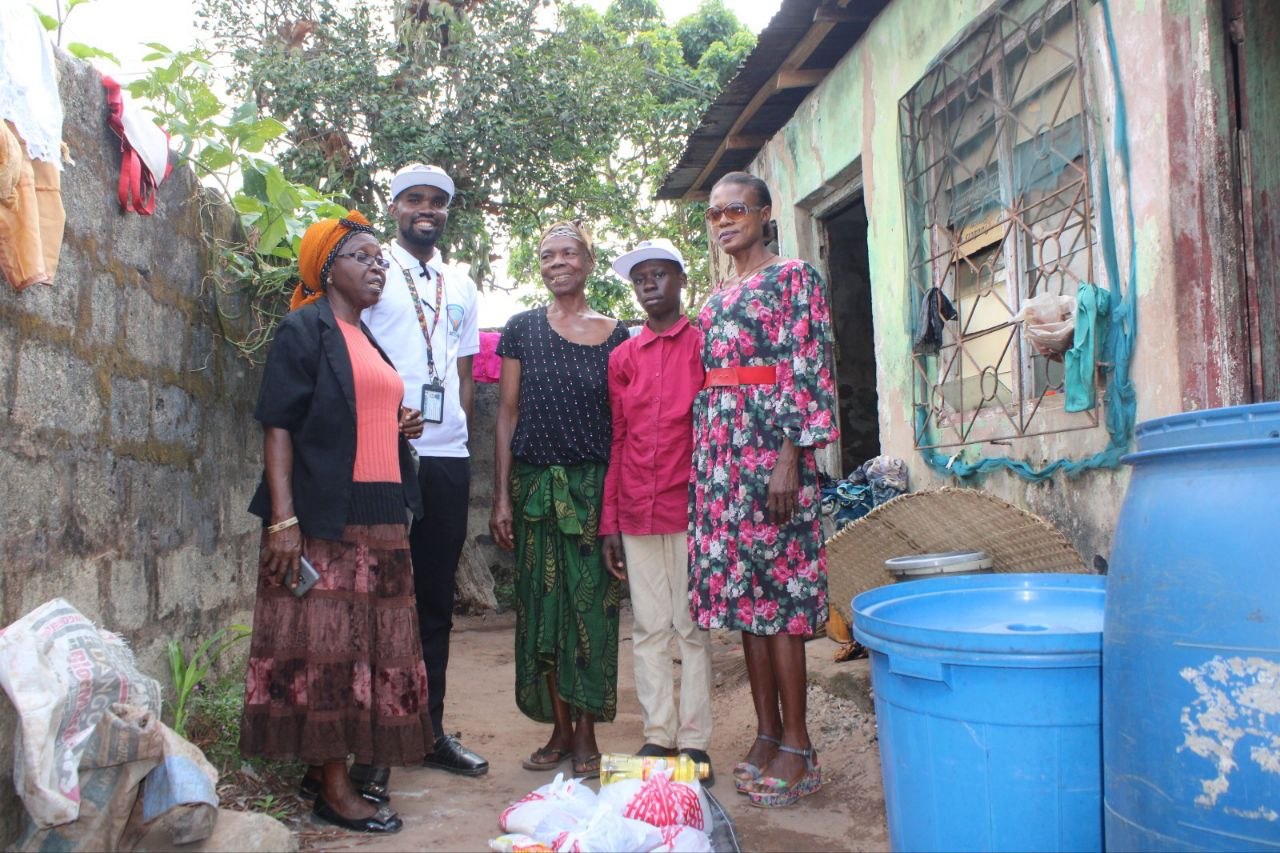
Beneficiary Name: Mrs. Patricia Agbaraoji (72 years old) Location / Context: Rural Community Key Challenge: Tragic loss of husband and children, false witchcraft accusations, extreme trauma, and forced eviction. Intervention Scope: Immediate medical care, emergency relief supplies, ongoing visitation/psychosocial support, and a commitment to build a permanent 2-bedroom home. 1. The Plight: A Life Shattered by Loss and Stigma At 72 years old, Mrs. Patricia Agbaraoji faced an unimaginable succession of tragedies. After enduring the heartbreaking loss of her husband and all her children, her grief was compounded by severe societal cruelty. Driven by superstition and greed, extended family and community members falsely accused her of witchcraft, scapegoating her for the deaths in her household. Subjected to public humiliation, emotional trauma, and complete social abandonment, Mrs. Patricia was forcefully ejected from her late husband’s home and stripped of her belongings. Left without shelter, food, or family protection, she was plunged into profound isolation and severe emotional distress—a condition that left her vulnerable, heartbroken, and without hope for a dignified life. 2. The Foundation’s Intervention: Bringing Hope back from the Brink Upon identifying Mrs. Patricia’s dire situation, our foundation immediately stepped in with a holistic, multi-tiered emergency response designed to restore her health, safety, and human dignity: • Provision of Critical Medical Support: Our medical team conducted a comprehensive health assessment, providing immediate treatment for underlying physical ailments, hypertension, and nutritional deficiencies, alongside geriatric emotional counseling to address acute trauma. • Essential Relief Materials: To address her immediate survival needs, the foundation provided nutritional food packages, clean bedding, warm clothing, and household sanitary supplies, ensuring her basic physiological comfort. • Constant Visitation & Psychosocial Care: Recognizing that social death is as damaging as physical neglect, our team established a weekly home-visitation schedule. Dedicated volunteers provide consistent companionship, emotional reassurance, and continuous prayer support—effectively breaking her isolation and restoring her sense of belonging. 3. The Sustainable Future: Restoring Permanent Shelter & Dignity While emergency relief has stabilized Mrs. Patricia’s immediate situation, long-term security requires a permanent home. To fully restore her independence and ensure she spends her golden years in peace and safety, the foundation has formally approved a project to construct a modern, secure two-bedroom house for her in due time. This upcoming sanctuary will stand as a permanent testament to justice, protection, and the unyielding dignity of older persons in rural communities. “I thought my life had ended when I lost my family and was thrown out of my home. But the foundation came to me when everyone else walked away. They did not just give me medicine and food; they gave me a reason to live again.” — Mrs. Patricia Agbaraoji (72 years old)

Read Full Story →
Elderly Care Home Building Project BUILDING AN ELDERLY CARE HOME
By • August 14, 2026

Elderly Care Home Building Project

Building Dignity: Improving & Encouraging Healthy Ageing Aging is a natural phase of life, yet providing our elderly population with the dignity, respect, and specialized support they deserve remains one of our most crucial community responsibilities. Initiated in 2025, the Elderly Care Home Building Project was conceived with a clear vision: to design and build a modern, nurturing, and holistic living space dedicated to promoting healthy ageing, physical wellbeing, and emotional comfort. Following months of collaborative planning, fundraising, and construction, the facility was officially launched on June 24, 2026. This landmark milestone represents a vital step forward in bridging the care gap for senior citizens, delivering targeted healthcare infrastructure, recreational spaces, and tailored social environments. 2. Key Objectives & Impact Areas Core Pillars of the Care Facility • Specialized Senior Healthcare: On-site primary care, emergency response systems, and routine health screenings designed specifically for age-related wellness. • Active & Healthy Living: Accessible green spaces, gentle physical activity areas, and structured physical therapy programs encouraging mobility and vital living. • Community & Emotional Connection: Interactive common rooms, cultural programs, and intergenerational activities that combat isolation and build lasting companionship. • Safe & Inclusive Environment: Purpose-built, wheelchair-accessible architectural layout prioritizing safety, independence, and comfort. 3. Call for Support & Ongoing Collaboration While the successful official launch on June 24, 2026 marks a monumental achievement, maintaining high-quality care and expanding our reach requires continued community partnership and resource support. We invite individuals, corporate sponsors, medical professionals, and civil society organizations to join hands with us in sustaining this initiative. 4. How You Can Support ▪ Financial Contributions: Direct funding toward ongoing operational costs, medical equipment procurement, and subsidised care for underprivileged seniors. ▪ In-Kind Donations: Provision of mobility aids, medical supplies, nutritious food items, bedding, and specialized rehabilitation equipment. ▪ Volunteering & Medical Support: Healthcare professionals, caregivers, and community volunteers offering time, medical expertise, and recreational programming. ▪ Strategic Partnerships: Collaborations with institutional partners, research bodies, and community organizations to scale healthy ageing programs. 5. Together for Healthy Ageing Every senior deserves to live out their golden years in safety, comfort, and good health. By supporting the Elderly Care Home Building Project, you play an essential role in fostering a compassionate community where healthy ageing is actively cherished and protected.

Read Full Story →
STRATEGIC WORKPLAN & CONCEPT NOTE Proposed ICF Ageing-Friendly Platform for Older Persons in Nigeria (2025–2027) HEALTH INTERVENTION
By • August 14, 2026

STRATEGIC WORKPLAN & CONCEPT NOTE Proposed ICF Ageing-Friendly Platform for Older Persons in Nigeria (2025–2027)

Project Timeline: Initiation – May 2025 | Official Launch – May 2027 Focus Areas: Digital Health Access, NCD Control & Rapid Medical Response 1. Bridging the Digital Health Divide In communities across Nigeria, millions of older adults face compounding challenges in accessing basic healthcare. Non-Communicable Diseases (NCDs) such as hypertension, diabetes, and cardiovascular conditions often go undetected or poorly managed due to physical mobility barriers, high out-of-pocket costs, and a lack of age-appropriate digital tools. When acute medical crises occur, delayed emergency response frequently leads to preventable complications or fatal outcomes. Imagine Mama Amina, a 68-year-old living in a peri-urban community. Managing both hypertension and arthritis, she regularly struggles with clinic appointments and tracking her medications. Under the proposed ICF Ageing-Friendly Platform, Mama Amina's care is transformed. Through an intuitive, accessible digital portal—supported by local community health workers and simplified voice/SMS interfaces—her blood pressure readings are monitored remotely, medication reminders are automated, and emergency medical support is just a button-press away. Her story represents the transformation this initiative aims to deliver nationwide. 2. Strategic Implementation Pillars (May 2025 – May 2027) • Phase 1: Needs Assessment & Platform Co-Design (May 2025 – Dec 2025): Conduct user-centric research across geopolitical zones to establish baseline digital literacy, healthcare needs, and NCD prevalence among older Nigerians. Co-design an age-friendly user interface with large typography, audio assistance, and low-bandwidth accessibility. • Phase 2: Platform Integration & Pilot Rollout (Jan 2026 – Dec 2026): Build integrated modules for real-time NCD monitoring, automated tele-triage, and rapid emergency dispatch. Pilot the platform across selected primary healthcare centers (PHCs) and community care hubs. • Phase 3: Capacity Building & Full Launch (Jan 2027 – May 2027): Train healthcare providers, caregivers, and senior advocates. Finalize national partnership frameworks with health authorities and telecommunication providers leading to the official national launch in May 2027. 3. Expected Impact & Outcomes Impact Area Expected Outcome & Key Performance Indicator Immediate Response to Health Crises Reduces emergency response times for participating seniors by 45% through rapid SOS alerts and localized dispatch integration. NCD Prevention & Management Achieves a 35% improvement in NCD control rates (hypertension/diabetes) through digital health tracking and adherence support. Inclusive Digital Access Connects over 100,000 older adults across rural and urban communities to age-tailored tele-health services by year two post-launch. 4. Call to Action LET US ACT NOW TO PROTECT OUR SENIORS: Healthy ageing is a social imperative and a fundamental right. We invite government agencies, healthcare organizations, civil society, technology leaders, and international partners to collaborate in building and scaling the ICF Ageing-Friendly Platform. By committing resources, technical expertise, and policy support today, we can guarantee that by May 2027, every senior in Nigeria has direct, dignified, and rapid access to life-saving health interventions.

Read Full Story →
Suicide Prevention from an Ageing Perspective: Protecting Rural Widows Facing Witchcraft Accusations & Dispossession A Research Article & Policy Framework Illustrated by the Case of Mrs. Patricia Agbaraoji COMMUNITY INTERVENTION: THAT ENCOURAGE SUICIDE PREVENTION
By • August 14, 2026

Suicide Prevention from an Ageing Perspective: Protecting Rural Widows Facing Witchcraft Accusations & Dispossession A Research Article & Policy Framework Illustrated by the Case of Mrs. Patricia Agbaraoji

In many agrarian and traditional rural communities across sub-Saharan Africa, older adults—particularly elderly widows—occupy a paradoxically precarious social position. While ageing is theoretically associated with wisdom and veneration, structural gender inequality, poverty, and deeply ingrained superstitious beliefs often converge to transform elderly widows into prime targets for scapegoating during times of familial or community crisis. When sudden illness, death, or economic tragedy strikes a household, deeply rooted socio-cultural biases frequently manifest as accusations of witchcraft against vulnerable older women. These false accusations are rarely accidental; they are often strategically leveraged by extended family members or community actors seeking to dispossess widows of their late husbands' land, property, and housing. The resultant consequences—severe public humiliation, emotional trauma, social ostracization, and forced expulsion from marital homes—leave victimized older women without shelter, financial security, or social support. Deprived of basic human dignity, these women experience extreme distress, significantly elevating their risk for late-life depression and suicidal ideation. 2. Illustrative Case Study: Mrs. Patricia Agbaraoji Case Profile: Mrs. Patricia Agbaraoji (72 Years Old) Mrs. Patricia Agbaraoji, a 72-year-old widow residing in a rural community, experienced compound, devastating personal grief following the sequential loss of her husband and adult children. Instead of receiving bereavement support and social protection from her extended family and community, Mrs. Agbaraoji was falsely accused of bewitching her own family members and causing their deaths. Subsequent to these false accusations, she suffered intense public humiliation, physical intimidation, and emotional trauma. She was forcibly expelled from her late husband's home and stripped of her inheritance rights. Cast out into absolute social abandonment and homelessness, Mrs. Agbaraoji was left without basic livelihood support or social capital. The total loss of dignity, shelter, and familial connection plunged her into severe psychological distress and profound hopelessness—highlighting the extreme vulnerability to suicidal ideation faced by dispossessed rural widows. 3. Systemic Risk Factors Driving Late-Life Suicide Among Dispossessed Widows Understanding suicide risk from an ageing perspective requires analyzing how gender, advanced age, poverty, and human rights violations intersect in rural settings. Key risk factors include: • Socio-Economic Dispossession & Homelessness: Sudden loss of marital property, land, and dwelling leaves elderly widows without basic shelter or income, driving acute economic desperation. • Public Humiliation & Ostracization: Being labelled a 'witch' leads to absolute social boycott, removal of social safety nets, and extreme loneliness, which are primary drivers of late-life suicidal behavior. • Unaddressed Psychological Trauma: Managing compound grief (death of spouse and children) alongside severe persecution induces acute stress, grief disorders, and major depressive disorder. • Absence of Institutional Protection: Rural communities frequently lack accessible mental health services, legal aid clinics, or protective shelters for elderly victims of harmful widowhood practices. 4. Framework for Action: Multi-Tiered Suicide Prevention Strategies To effectively prevent suicide and safeguard older persons in rural communities, strategies must move beyond clinical interventions to address structural, socio-cultural, and legal determinants. Intervention Tier Core Focus & Objectives Specific Actionable Measures Primary Prevention (Community Level) Community Sensitization & Harm Reduction • Educational campaigns challenging witchcraft myths. • Engagement with traditional/faith leaders to defend widows' rights. • Legal advocacy enforcing customary property rights. Secondary Prevention (Early Intervention) Early Identification & Safe Havens • Training community health workers in geriatric mental health & suicide screening. • Establishing safe havens/emergency shelters for evicted widows. • Community gatekeeper training (teachers, local leaders). Tertiary Care (Rehabilitation) Psychosocial Healing & Legal Restitution • Trauma-informed grief counseling and psychological care. • Pro bono legal support to restore property rights and home ownership. • Social reintegration programs and micro-livelihood support. Conclusion The story of Mrs. Patricia Agbaraoji is a poignant reminder that suicide in older age is frequently driven by severe socio-structural violence rather than individual psychiatric vulnerability alone. By replacing silence, stigma, and dispossession with community protection, mental health support, and legal justice, society can restore hope and ensure a dignified life for vulnerable older widows.

Read Full Story →
Social Widow Intervention as a Means of Suicide Prevention STRATEGIC INTERVENTION AND ENGAGEMENT
By • August 14, 2026

Social Widow Intervention as a Means of Suicide Prevention

Executive Summary Widowhood is one of life’s most profound stressors, often initiating a sequence of emotional, psychological, and socio-economic challenges. The loss of a spouse frequently leads to severe grief, social withdrawal, and financial precariousness—factors that significantly elevate the risk of clinical depression and suicidal ideation. Conducted in December 2025, the Social Widow Intervention was conceived as a targeted suicide prevention program designed to provide comprehensive psychosocial support, foster community re-engagement, and establish early crisis detection networks for bereaved women. 2. Suicide Risk Dynamics in Social Widowhood Social widowhood—characterized by the intersection of marital loss and post-bereavement social isolation—exposes individuals to key vulnerability factors associated with suicidal behavior: • Severe Loneliness & Isolation: The sudden collapse of primary companionship and functional support systems creates deep emotional distress. • Disenfranchised Grief & Stigma: In many cultural settings, widows experience reduced social agency, marginalization, or societal neglect. • Psychological Vulnerability: Unresolved grief often precipitates severe depression, anxiety, and feelings of burdensomeness, which serve as direct catalysts for suicidal ideation. 3. Core Components of the December 2025 Intervention The December 2025 program deployed a multi-layered intervention framework combining direct psychological care with proactive community integration: • Peer-Led Support Groups: Facilitated safe spaces allowing widows to share experiences, build mutual resilience, and combat emotional isolation. • Gatekeeper Training & Early Screening: Trained community health workers and local leaders to identify acute depressive symptoms and subtle signs of suicidal intent. • Crisis Counseling & Hotlines: Established direct access to confidential mental health counseling and rapid-response crisis intervention services. • Socio-Economic Reintegration: Linked participants with community resources, legal assistance, and empowerment circles to restore self-efficacy and stability. Key Outcomes & Program Impact • Enhanced Social Connection: 85% of participants reported reduced feelings of loneliness and improved peer support networks. • Increased Help-Seeking: Marked increase in voluntary mental health consultations and open dialogue surrounding grief. • Timely Intervention: Early detection mechanisms enabled rapid, life-saving clinical support for high-risk individuals. 4. Conclusion and Way Forward The December 2025 Social Widow Intervention demonstrated that suicide prevention must extend beyond clinical facilities into the heart of community structures. By addressing the root causes of isolation, stigma, and psychological helplessness, targeted widow interventions provide a vital protective barrier against self-harm. Sustaining and scaling these initiatives, integrating bereavement support into community healthcare programs, and providing continuous follow-up care remain critical imperatives for effective suicide prevention.

Read Full Story →
UNIVERSAL HEALTH COVERAGE: COMMUNITY-BASED APPROACH FOR HEALTHY AGEING INTERVENTION HEALTH INTERVENTION
By • August 7, 2026

UNIVERSAL HEALTH COVERAGE: COMMUNITY-BASED APPROACH FOR HEALTHY AGEING INTERVENTION

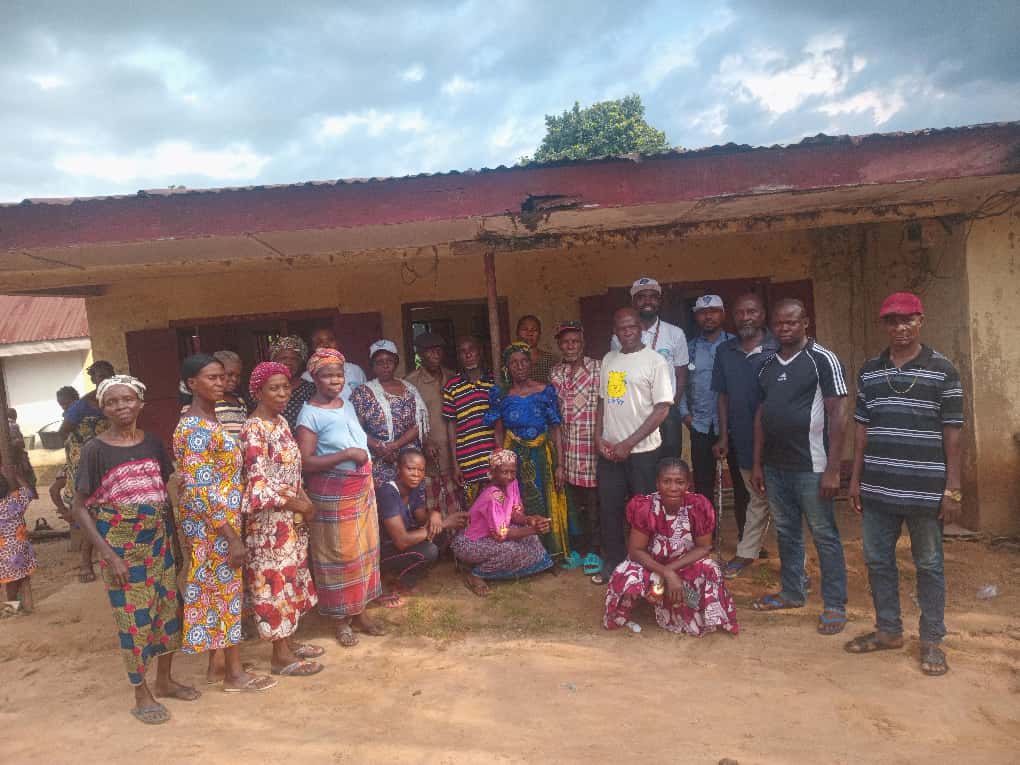
Ifymotivational Charity Foundation Nigeria (ICF) remains deeply committed to promoting the well-being, inclusion, and empowerment of older persons and vulnerable groups in Nigeria. Through its partnership with HelpAge International, the Foundation has experienced remarkable growth in organisational capacity, project implementation, and community impact during this reporting period. 2. OVERVIEW OF THE PARTNERSHIP HelpAge International’s engagement with Ifymotivational Charity Foundation Nigeria this quarter has been instrumental in advancing our mission. The Foundation benefitted from two key forms of support: A Small Grant: provided by HelpAge International to support a community-based project focused on promoting the health, dignity, and social inclusion of older persons. Capacity Training: a structured training and mentorship programme designed to strengthen the Foundation’s technical and operational capacity for effective project implementation, monitoring, and reporting. 3. IMPACT ACHIEVED 3.1 ORGANISATIONAL CAPACITY STRENGTHENING The capacity training sessions organised by HelpAge International equipped the Foundation’s staff and volunteers with vital knowledge in proposal development, project management, monitoring and evaluation, and financial accountability. This has significantly improved our internal systems and overall effectiveness in executing community-focused initiatives. The training also enhanced our confidence in stakeholder engagement and strengthened our ability to manage donor-funded projects in compliance with international best practices. 3.2 PROJECT IMPLEMENTATION AND GROWTH The small grant project, currently ongoing, has already begun to yield visible results. It has enhanced the Foundation’s field presence and increased community trust and participation. The initiative has also attracted new volunteers and members who are inspired by the Foundation’s commitment to improving the lives of older persons and vulnerable populations. As a result, there has been a notable increase in membership and community partnerships, resulting in a stronger network of advocates supporting the cause of healthy aging and social inclusion. 3.3 ORGANISATIONAL GROWTH AND VISIBILITY Through this collaboration, Ifymotivational Charity Foundation has gained greater visibility and recognition within the development community. Participation in HelpAge International’s knowledge-sharing platforms and joint learning activities has enabled the Foundation to build new alliances, exchange best practices, and enhance its advocacy voice at the local level. 4. ONGOING WORK AND FUTURE PROSPECTS Although the small grant project is still ongoing, the progress recorded so far demonstrates a strong potential for sustainability and long-term community benefit. (The first phase of the project took place in NDI EMEME ABAM, AMAELU ABM IN AROCHUKWU LOCAL GOVERNMENT AREA, ABIA STATE) 7O ELDERLY PERSONS WERE REACHED OUT TO, 50 WOMEN AND 20 MEN. The Foundation remains committed to maintaining transparency, accountability, and continuous learning throughout the project lifecycle. In the future, ICF aims to leverage this experience to develop larger-scale initiatives and deepen collaborations with HelpAge International and other development partners. 5. CONCLUSION The partnership with HelpAge International has been transformative for Ifymotivational Charity Foundation Nigeria. Beyond financial support, it has fostered capacity, credibility, and community engagement. The Foundation acknowledges HelpAge International’s vital role in strengthening its operations and advancing its mission to create a nation of life and love where older persons and vulnerable groups can thrive with dignity.

Read Full Story →
pad the Girl Child project outreach
By • August 7, 2026

pad the Girl Child project

The Pad the Girl Child Project is a flagship intervention of the Ifymotivational Charity Foundation aimed at promoting menstrual hygiene management, reproductive health awareness, and mental wellness among adolescent girls in secondary schools. In 2024, the Foundation successfully implemented the project at Olokoro Girls’ Secondary School, Olokoro, Umuahia, Abia State, reaching a total of 500 students. The intervention combined the direct distribution of sanitary pads with structured health education sessions and a dedicated lecture on suicide prevention and emotional support. The project addressed critical barriers that often force girls to miss school during menstruation, while also creating a safe space for open conversations about mental health — an area that remains under-discussed in many school environments. Key outcomes included improved knowledge of menstrual hygiene practices, reduced stigma around menstruation, heightened awareness of warning signs of emotional distress and suicidal ideation, and a strengthened sense of care and institutional support among the student body. The Foundation remains open to partnerships and sponsorships to expand this life-changing work to more schools across Abia State and beyond. Many adolescent girls in Nigeria face significant challenges related to menstrual hygiene management. The inability to afford sanitary products leads some students to stay at home during their periods, resulting in lost learning days, reduced academic performance, and feelings of shame or isolation. In addition, limited access to accurate reproductive health information perpetuates myths and unhealthy practices. Beyond physical health, adolescent mental health has become an increasingly urgent concern. Pressures from academic demands, family expectations, peer relationships, and social media contribute to rising levels of anxiety, depression, and, in extreme cases, suicidal thoughts among young people. Schools represent a critical platform for early intervention and support. The Pad the Girl Child Project was designed to respond to these interconnected needs by combining material support (sanitary pads) with knowledge transfer (health education) and emotional care (suicide prevention and encouragement of support-seeking behaviour). Primary Objectives • To distribute sanitary pads to 500 female students of Olokoro Girls’ Secondary School, Olokoro, thereby reducing period-related school absenteeism and promoting dignity. • To deliver comprehensive health education on menstrual hygiene management, reproductive health, and personal hygiene practices. • To conduct a specialised lecture on suicide prevention, recognising early warning signs, and building resilience among adolescent girls. • To foster a culture of mutual support, encourage help-seeking behaviour, and strengthen the school’s capacity to provide psychosocial care. Secondary Objectives • To reduce stigma and myths surrounding menstruation through open, age-appropriate dialogue. • To create a supportive environment where students feel valued and know that help is available. • To document lessons learned for scaling the intervention to additional schools. The project was executed in 2024 at Olokoro Girls’ Secondary School, Olokoro, Umuahia. Implementation followed a structured, participatory approach involving the school leadership, teaching staff, and the Foundation’s programme team. 5.1 Health Education Session A comprehensive health education session was facilitated for the students. Topics covered included: • Understanding the menstrual cycle and what is normal versus when to seek medical advice. • Proper use, changing frequency, and hygienic disposal of sanitary pads. • Personal hygiene practices before, during, and after menstruation. • Common menstrual disorders and simple self-care measures. • Dispelling myths and cultural misconceptions around menstruation. • The link between good menstrual hygiene and school attendance, confidence, and overall well-being. The session was interactive, allowing students to ask questions in a safe and non-judgmental atmosphere. Age-appropriate language and visual aids were employed to maximise comprehension and retention. 5.2 Sanitary Pads Disbursement Following the educational component, sanitary pads were distributed to all 500 participating students. Each beneficiary received a sufficient quantity of pads to support her menstrual hygiene needs for a meaningful period. The distribution was conducted in an organised, respectful manner that preserved the dignity of every girl. This direct material support is a cornerstone of the project, addressing the immediate economic barrier that prevents many girls from managing their periods with confidence and comfort. 5.3 Lecture on Prevention of Suicide Recognising the growing mental health challenges faced by adolescents, a dedicated lecture on suicide prevention was delivered. The session addressed: • Understanding emotional distress, depression, and suicidal ideation in clear, accessible language Recognising warning signs in oneself and in peers (withdrawal, hopelessness, changes in behaviour, talk of self-harm, etc.). • Practical coping strategies and healthy ways of managing stress, academic pressure, and interpersonal conflict. • The critical importance of speaking out and seeking help early — from trusted adults, school counsellors, parents, or professional services. • How to support a friend who may be struggling, including listening without judgement and connecting them to help. • Reinforcing the message that every life has value and that temporary pain does not have to be permanent. The lecture was carefully facilitated to be sensitive, hopeful, and empowering rather than alarming. Students were encouraged to view mental health as an essential part of overall well-being, equal in importance to physical health. 5.4 Encouragement of Support and Peer Care Throughout the programme, strong emphasis was placed on building a culture of mutual support. Students were encouraged to look out for one another, to create circles of trust, and to know that the Foundation and the school stand ready to assist. Messages of affirmation, resilience, and self-worth were woven into every segment of the intervention. The goal was not only to equip individual girls but to strengthen the collective fabric of care within the school community Strong school partnership — Collaboration with the leadership and staff of Olokoro Girls’ Secondary School ensured smooth logistics, student mobilisation, and a conducive atmosphere for sensitive discussions. • Holistic design — Integrating pad distribution with health education and mental health content addressed both immediate practical needs and longer-term knowledge and resilience. • Respectful delivery — All activities were conducted with dignity, age-appropriate messaging, and cultural sensitivity. • Clear focus on the girl child — The project remained tightly aligned with the Foundation’s mission to uplift and protect adolescent girls. While the project was successfully delivered, many insights emerged that will strengthen future editions: • Sustained impact requires follow-up. One-off distributions are valuable, but periodic replenishment of pads and reinforcement sessions would deepen benefits. • Mental health content generates high engagement. Students responded positively to the suicide-prevention lecture, indicating a clear need for ongoing psychosocial programming in schools. • Teacher involvement is critical. Training a core group of teachers as first-line supporters can extend the reach of the messages beyond the day of the intervention. • Partnership and sponsorship remain essential. Expanding to more schools depends on reliable funding and collaborative relationships with education authorities and corporate partners.

Read Full Story →