HEALTH INTERVENTION
ICF COMMUNITY INTERVENTION ON NCD (HYPERTENSION, AND DIABETES
Written by • August 14, 2026
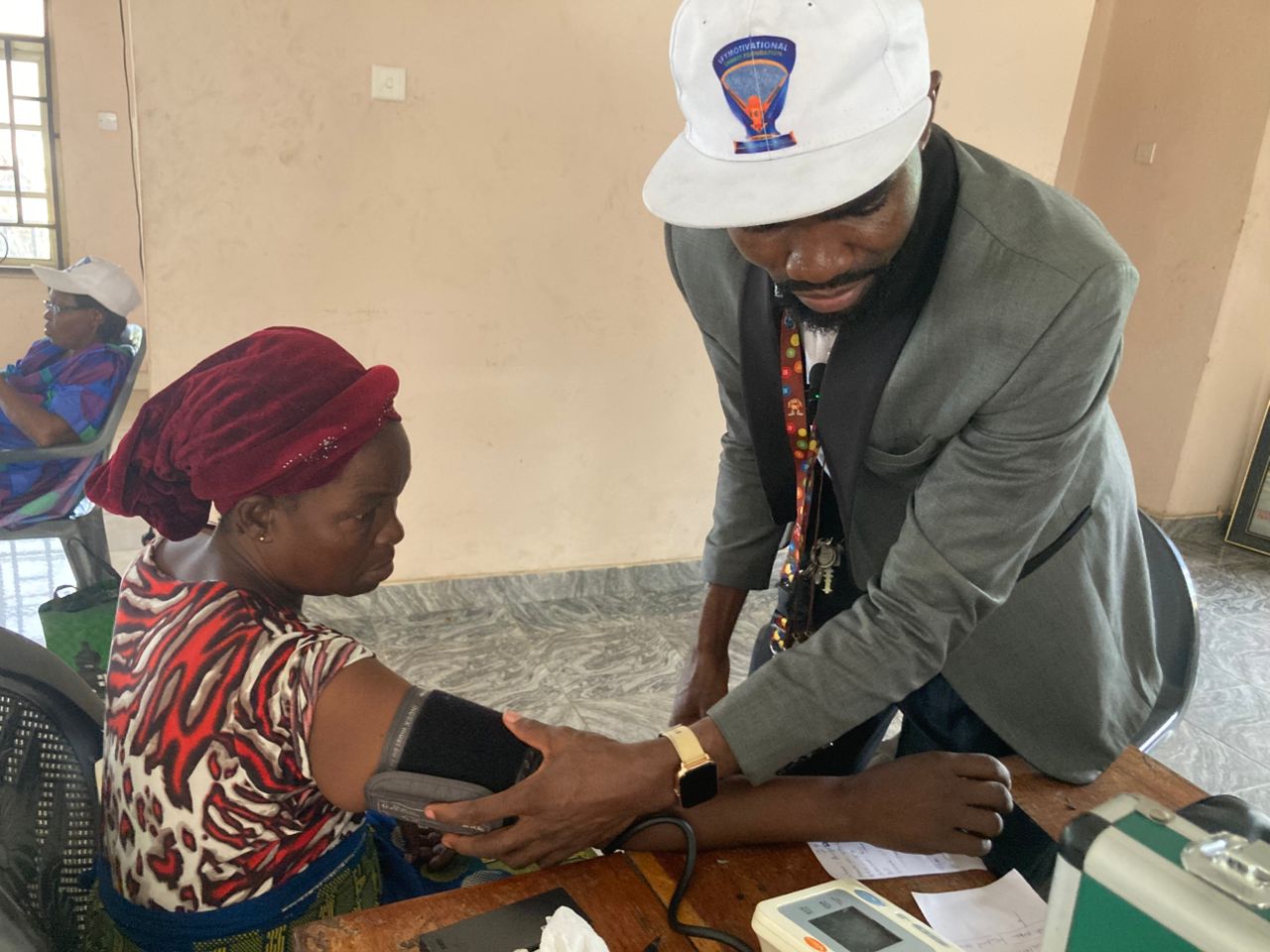
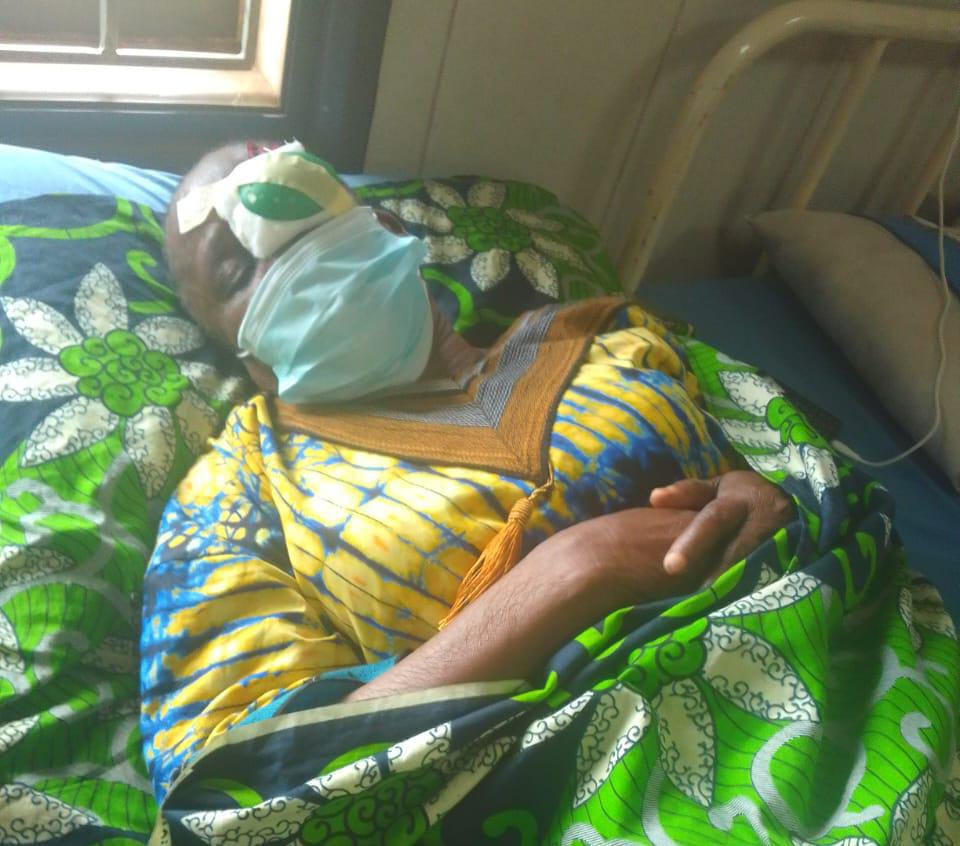
The Ifymotivational Charity Foundation’s community non-communicable disease (NCD) health interventions held in Obizi Amakama represent a practical, people-centred response to the rising burden of chronic conditions in rural Abia State, Nigeria.
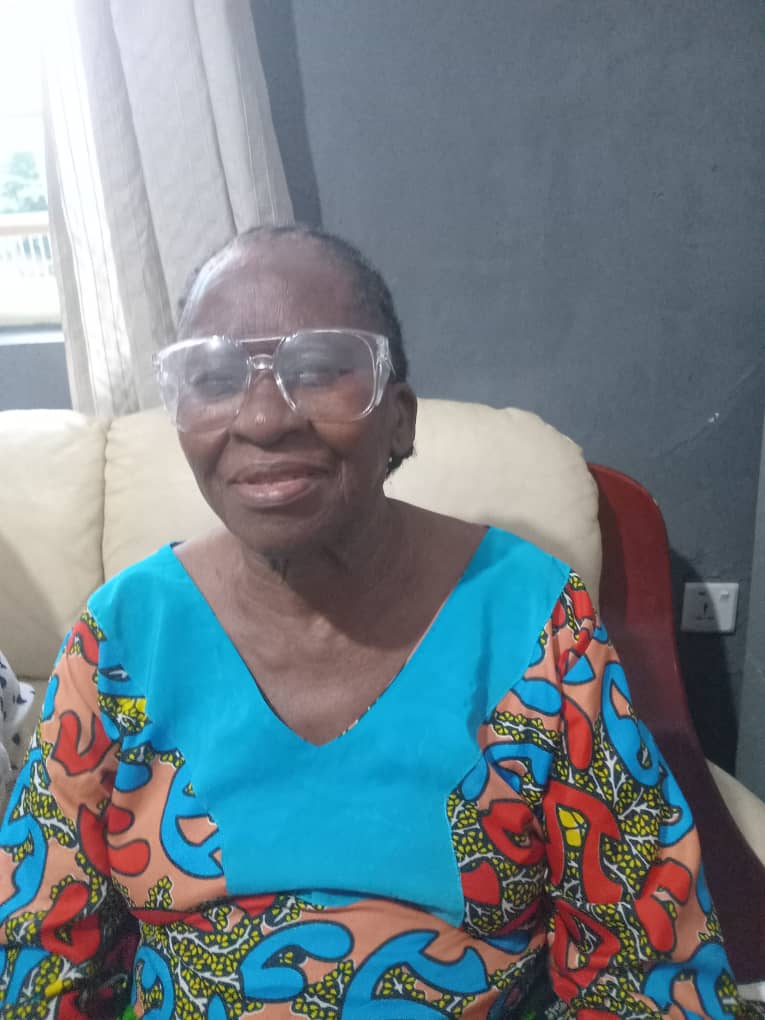
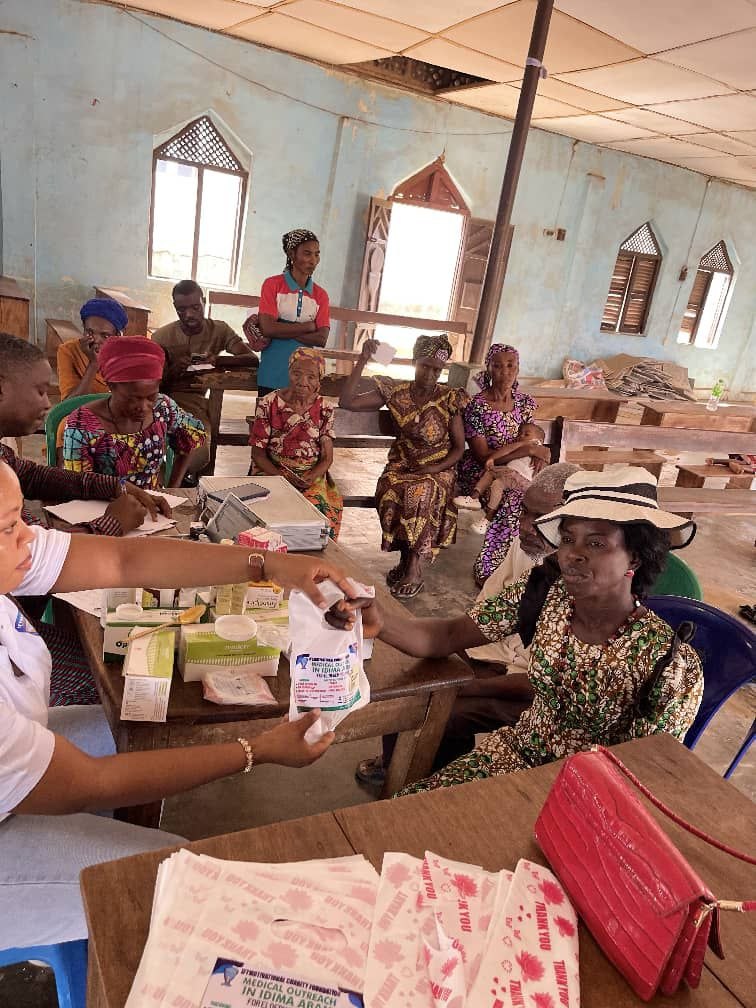
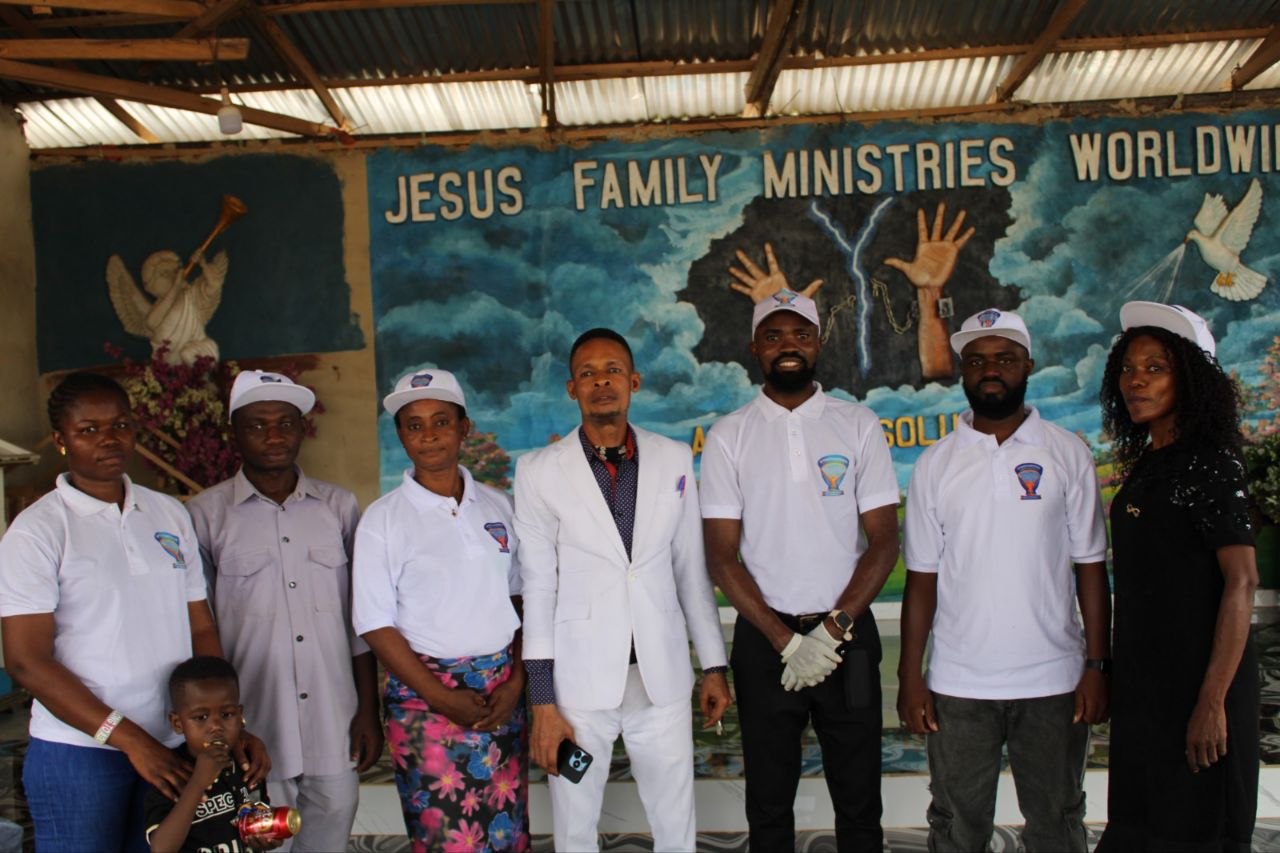
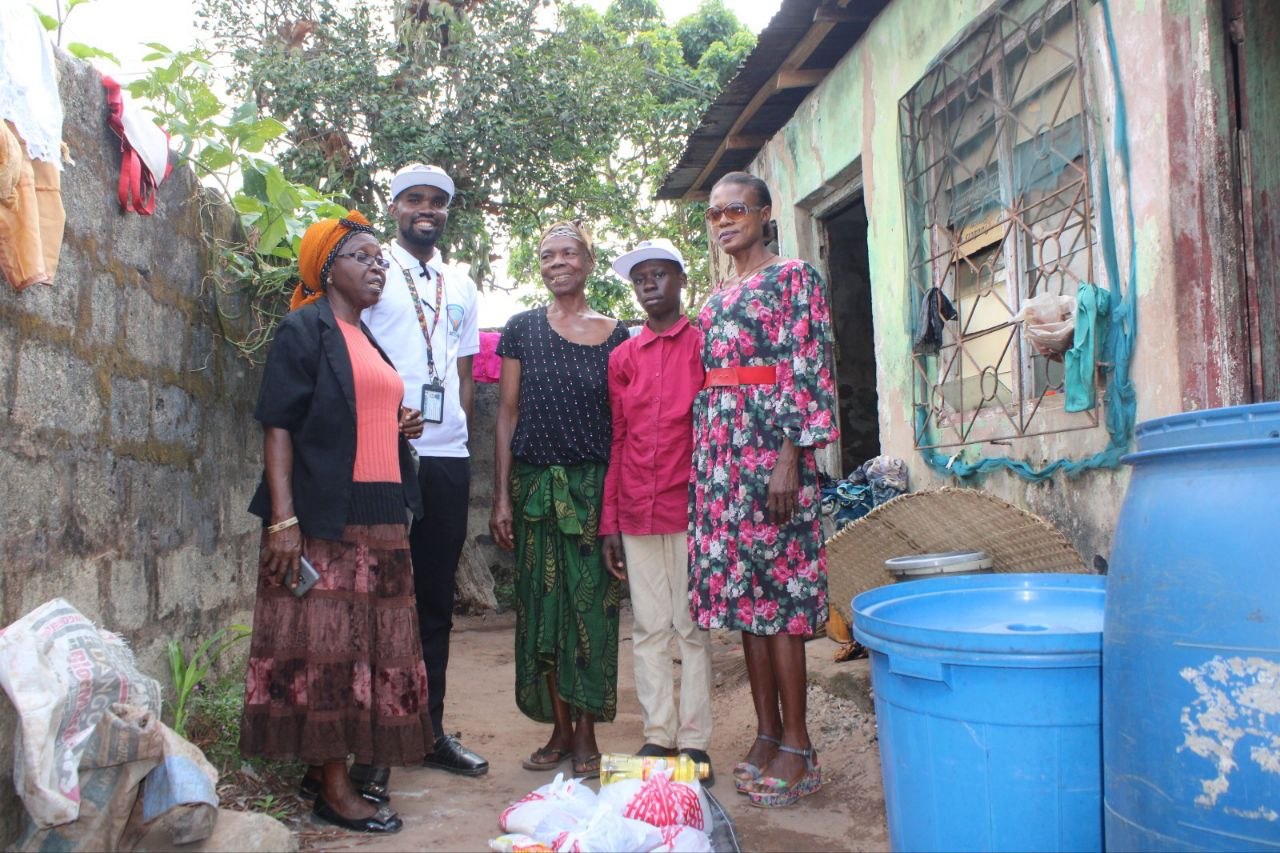
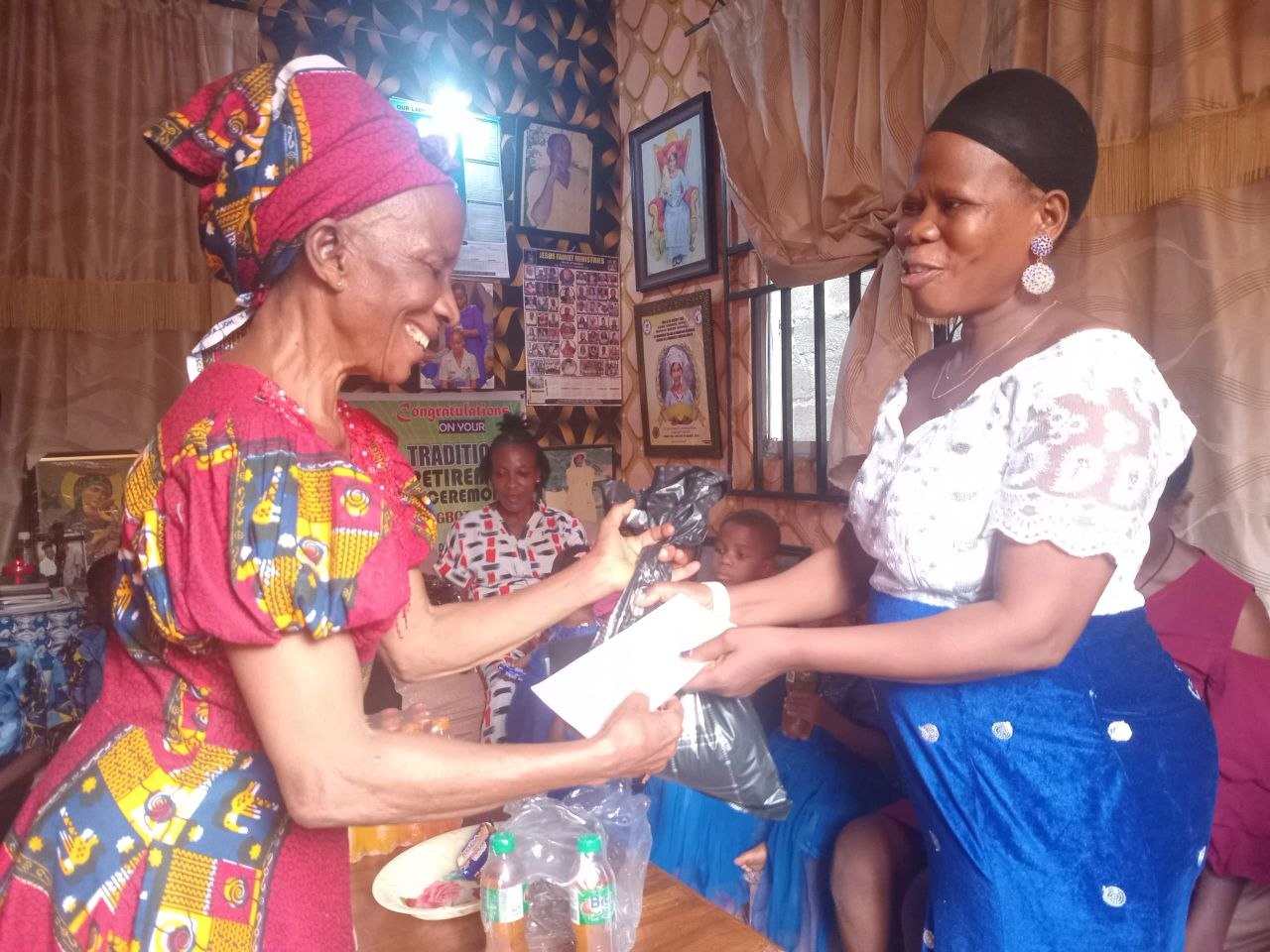
Organised as part of the Foundation’s broader commitment to ageing support, humanitarian aid, and community welfare, these interventions brought essential screening, counselling, and health education directly to residents of Obizi Amakama, with particular attention to older adults who are disproportionately affected by hypertension, diabetes, and related complications.
Non-communicable diseases, principally cardiovascular conditions, diabetes, chronic respiratory diseases, and cancers, now account for a substantial share of morbidity and mortality across Nigeria. In rural communities such as Obizi Amakama, limited access to routine primary care, low awareness of risk factors, and delayed diagnosis often allow conditions such as high blood pressure and elevated blood sugar to progress silently until serious complications arise. The Foundation’s outreach addressed this gap by taking services into the community rather than waiting for residents to travel to distant facilities.
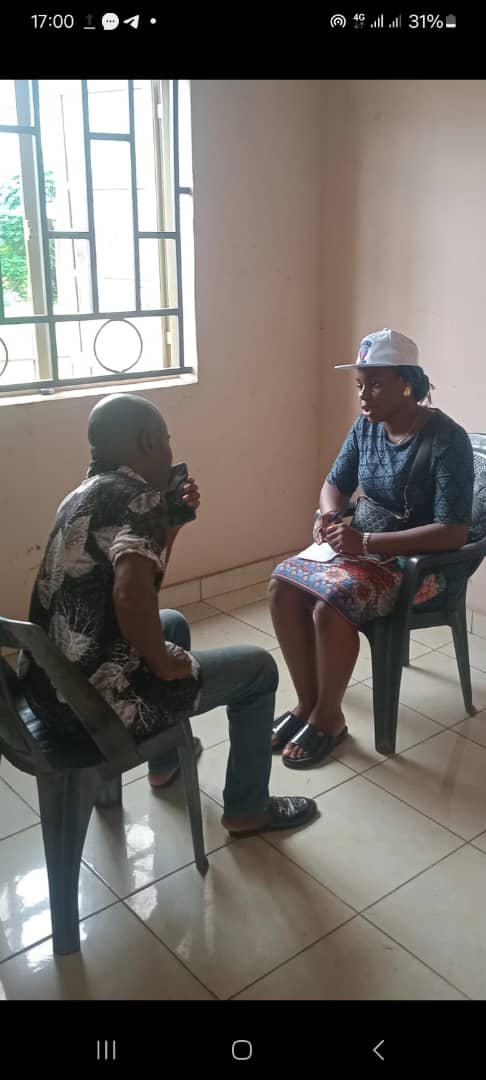
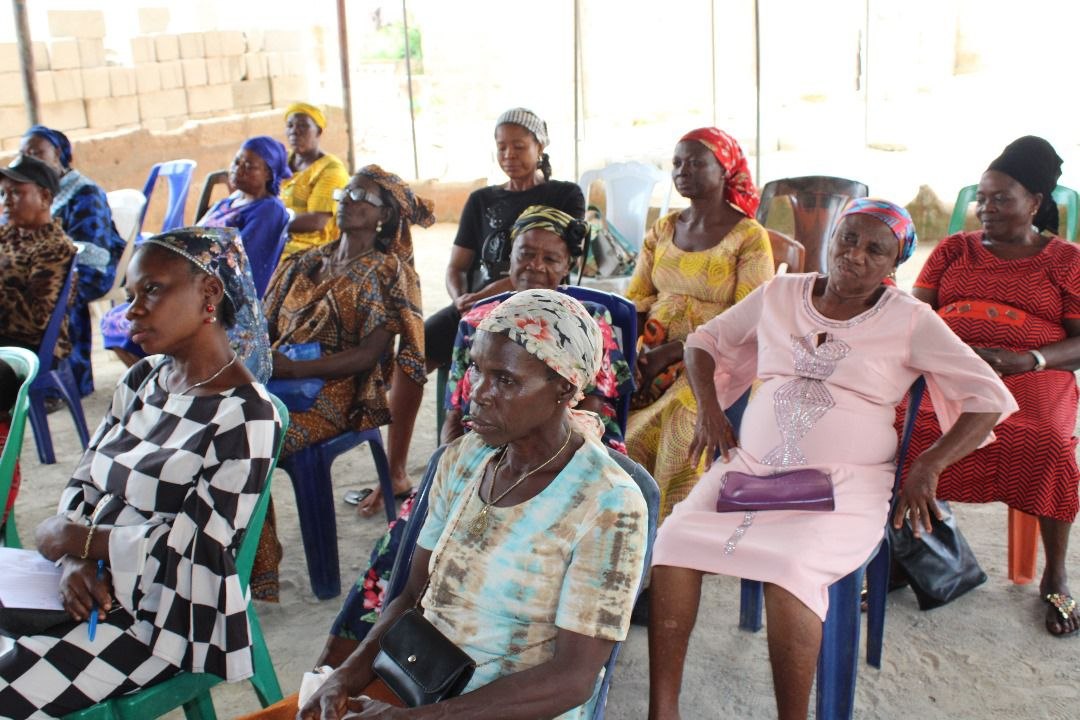
The interventions typically combined free health screening with structured health education and counselling. Key activities included blood pressure measurement, blood glucose checks, weight and nutritional assessment, and discussions on early warning signs of kidney disease and other complications. Health talks focused on practical, locally relevant lifestyle measures: reducing excessive salt intake, improving dietary patterns with available local foods, maintaining physical activity appropriate to age and ability, and recognising the importance of regular monitoring. Outdoor service formats, featuring counselling, health management guidance, and opportunities for social interaction, helped create a welcoming environment that encouraged participation, particularly among the elderly.
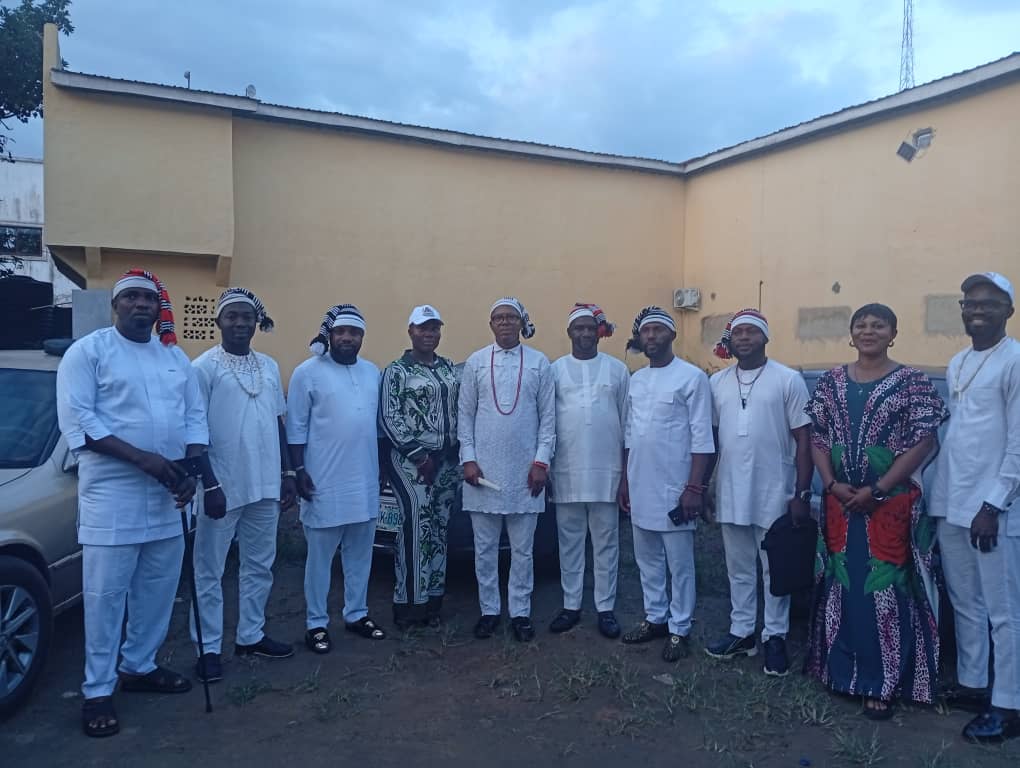
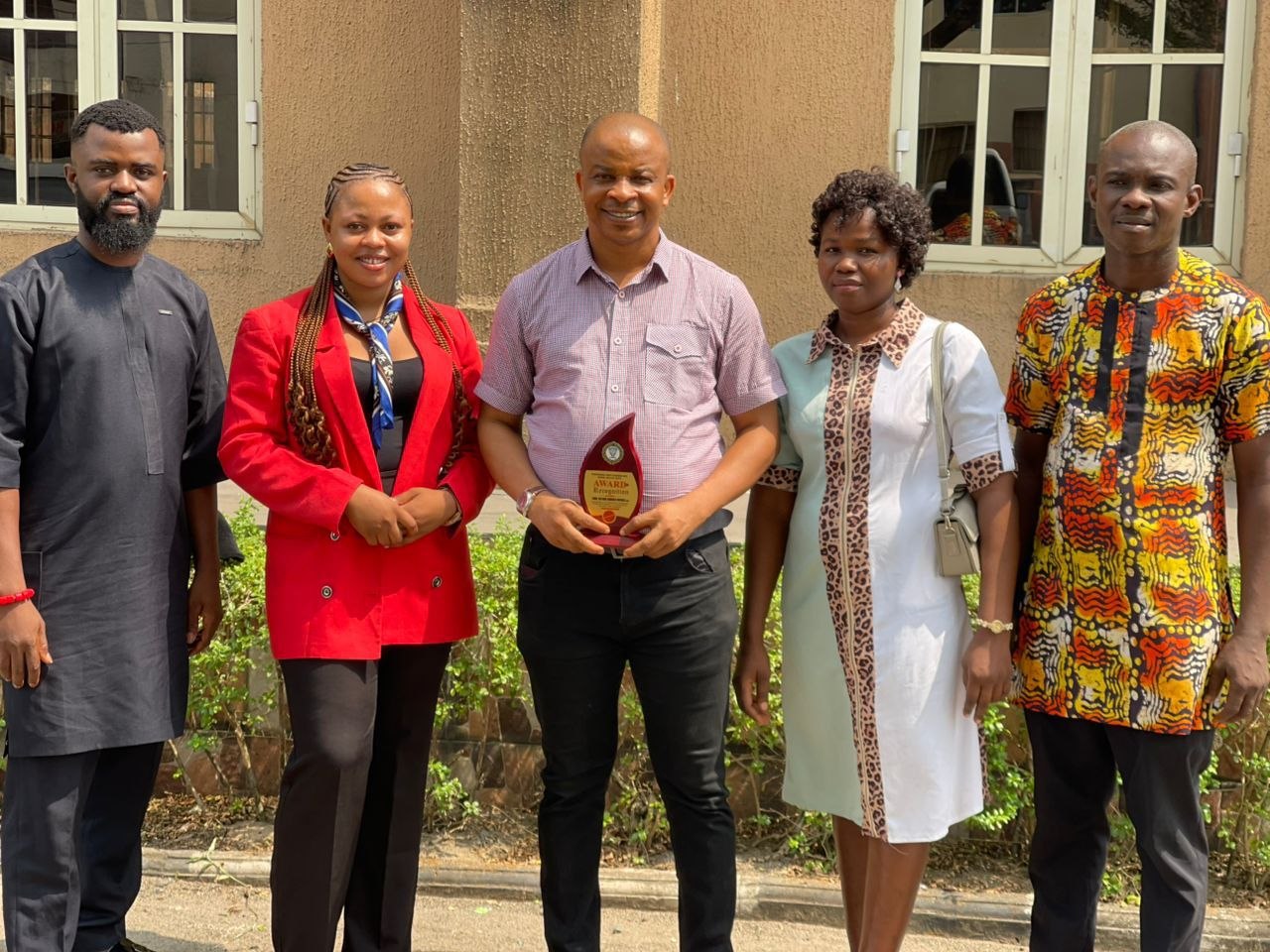
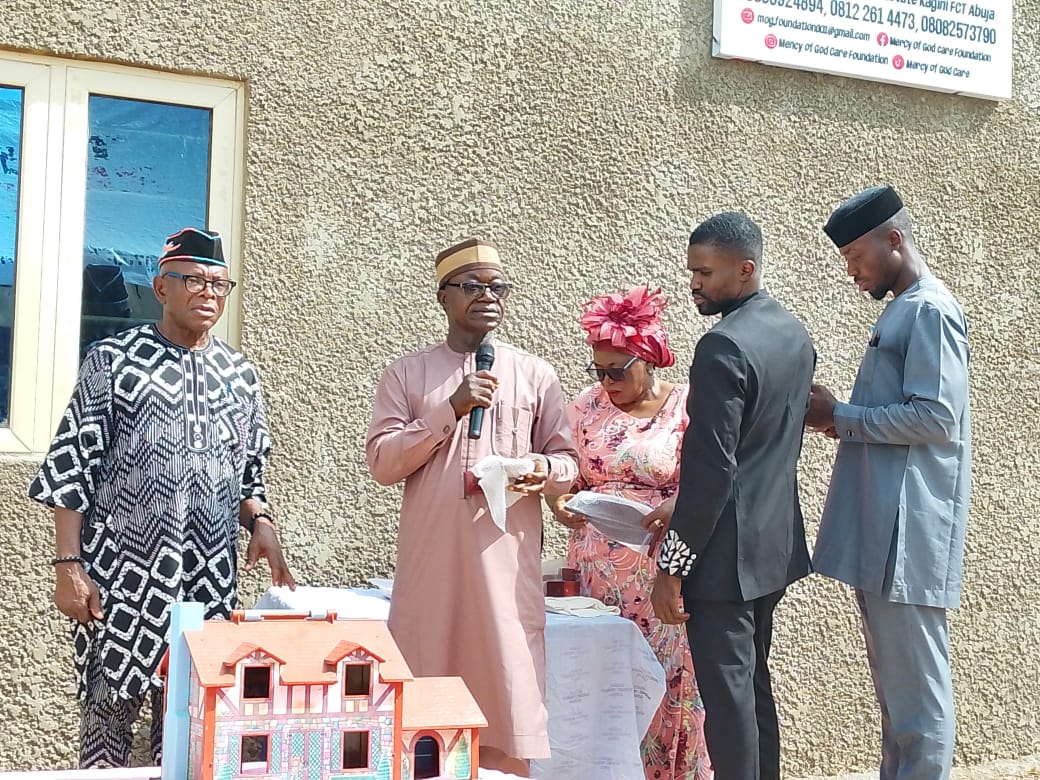
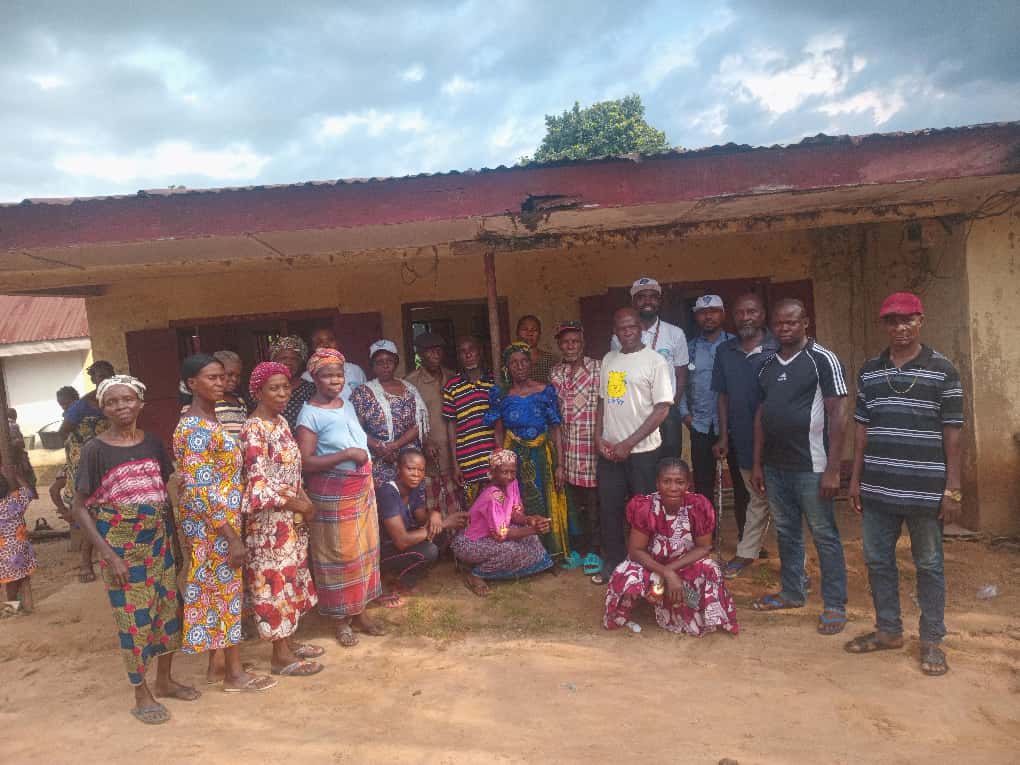
Community engagement was a deliberate strength of the approach. Feedback from local leadership, including the Community Chairman of Obizi Amakama, underscored appreciation for the initiative and recognition of its value. Such endorsement is critical for uptake and sustainability; when traditional and community leaders publicly affirm health programmes, residents are more likely to attend, trust the information provided, and act on recommendations. The Foundation’s presence also reinforced a message of dignity and care for older persons, countering the social isolation and neglect that can accompany ageing in resource-constrained settings.
The interventions aligned with recognised best practices for community-level NCD control in low- and middle-income countries. These include decentralising screening and education to primary and community levels, task-shifting certain functions to trained volunteers or outreach teams, integrating health messages with existing community gatherings, and emphasising prevention and early detection rather than solely clinic-based treatment. By combining screening with counselling and practical advice, the programme moved beyond one-off testing toward building individual and collective capacity for self-management. Participants received guidance on when to seek further care and how everyday choices influence blood pressure, blood sugar, and overall cardiovascular risk.
Impact at the individual and community levels can be understood in several dimensions. First, previously undetected cases of hypertension or diabetes may have been identified, enabling earlier linkage to care and reducing the risk of stroke, heart failure, kidney damage, or other complications. Second, health education sessions increased knowledge and may have prompted behavioural adjustments, reduced salt use, better meal composition, or greater attention to physical activity. Third, the visible presence of organised support for the elderly strengthened social cohesion and demonstrated that chronic disease management is a shared community responsibility rather than solely an individual burden. Fourth, the outreach generated local ownership and positive testimony, creating a foundation for possible follow-up activities or replication in neighbouring communities.
Challenges inherent in such community interventions remain relevant. Sustained behaviour change requires ongoing reinforcement; one-off screening events, while valuable, must ideally be linked to continuous primary care and affordable medicines. Supply of diagnostics, trained personnel, and referral pathways can be constrained in rural settings. Cultural beliefs, competing daily economic priorities, and limited formal education may affect uptake of health messages. The Foundation’s model mitigates some of these barriers by embedding services within familiar community spaces and pairing clinical checks with respectful, accessible counselling tailored to older adults.
In the wider Nigerian and African context, community NCD interventions of this nature contribute to national and global health goals. They support the shift from purely facility-based care toward more proactive, population-oriented approaches recommended by the World Health Organization and national non-communicable disease strategies. By focusing on the elderly in a rural community, the Obizi Amakama programme also addressed equity: older persons in underserved areas often face the dual disadvantage of higher disease risk and lower service access.
Professionally, the Ifymotivational Charity Foundation’s work in Obizi Amakama illustrates how a locally rooted organisation can translate humanitarian commitment into concrete health action. Through screening, education, counselling, and genuine community partnership, the interventions advanced early detection, raised awareness, and affirmed the value of older residents. While individual programmes cannot alone reverse the national NCD trajectory, they form essential building blocks, raising visibility, generating local data and demand, and modelling respectful, practical care. Continued investment in such community-based efforts, coupled with stronger primary healthcare linkages and sustainable financing, offers a realistic pathway toward reduced NCD burden and improved quality of life for ageing populations in rural Nigeria.
Comments (1)
Chinazo
2026-08-14 16:42:55
This is good wonderful
 2024-2025 leukaemia interventions